


Blogs
HS Code Machinery Import: What It Is and Why It Matters for Importers
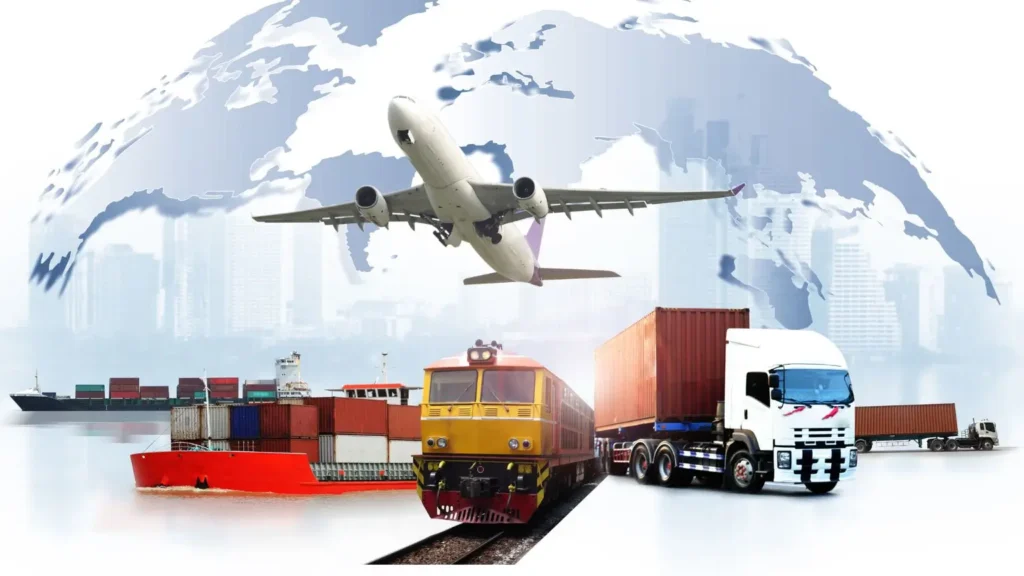
Out of nowhere, importers often spot HS code machinery import issues once the cargo waits at the dock. Not getting the machinery category right? That goes beyond forms piling up, customs may freeze things, fees pop up out of nowhere, and sometimes the whole load gets turned away. What makes machines tricky is how much rests on that label: taxes shift, entry rules change, and even access to the market hinges on it.
For those bringing in machinery, knowing the HS code for machinery China isn’t just helpful, it’s essential right from the start. Skipping this step can mean higher expenses, holdups at borders, or even breaking rules without realizing it.
What Is an HS Code?
A label assigned machinery import HS code list machines helps border agents sort equipment on arrival. This system uses digits agreed worldwide, so every country applies matching rules when goods cross borders. Instead of guessing what arrives, officials check the code to know tax rates and legal steps needed. Machines get sorted fast because each type has its own unique identifier under global standards.
It’s called HS, short for Harmonized System, a number-based way to sort products moving across borders, made by the World Customs Organization. More than two00 nations rely on it today. Each item sent between countries gets tagged with an HS code machinery import. If there’s no code attached, customs halts everything. Processing stops dead without that number.
Starting off, the initial half-dozen numbers in an HS code stay identical worldwide; they point to one shared product group no matter which member nation you’re in. Past that sextet, individual nations tack on extra figures tailored by them when setting machinery import HS code list fees. Over in America, what rolls out is a ten-number setup known as the HTS. Ten numerals appear there too across the Atlantic, inside the United Kingdom’s method. Starting differently, India relies on an eight-digit method called the HSN code. While the base structure matches international standards, extra numbers adapt it locally. Ending here.
Whatever machinery you send, its HS code machinery import decides the tax level. Taxes kick in based on that number. Restrictions might follow instead. Licensing rules can appear out of nowhere. Anti-dumping steps sometimes tie in, too.
Why HS Code Matters in Machinery Import
Mistakes in the HS code can hit profits fast each machine sent overseas feels the impact. A wrong number here triggers delays, extra fees, or even return shipments. Accuracy isn’t paperwork; it’s protection. Every digit shapes how customs treats the cargo. Get it off by one character? Costs rise before arrival.
Smooth movement across borders leans heavily on that customs HS code machinery classification. Mislabel once and pay more later. The import duty machinery HS code rates, inspection odds, and clearance speed. One oversight spreads through supply chains like cracks in glass. A correct entry means fewer surprises at ports.
Your machinery import HS code list tax depends on the machine type and where it’s going and could be anywhere from zero to twenty-five percent or more. How fast things get through customs ties directly to this number. When every paper shows the same right code, things slide through without hiccups. One wrong digit? That pulls the whole load into extra checks by hand.
Delays pile up charges at docks, mess with factory schedules, strain deals with suppliers, and eat into budget space. Getting it accurate also means staying within legal lines so fines don’t land because something was labeled wrong, not on purpose and not by accident either.
One wrong HS code machinery import can turn a smooth shipment into a two-week customs hold. Verify your customs HS code machinery classification before the goods leave the factory.
How HS Codes Are Used in Machinery Imports
Every time equipment crosses a border, classification begins long before arrival. Right at the first paperwork entry, standardized labels start guiding the process. These tags show up again when tax amounts are figured by officials. Later still, they reappear just before release into the market. Rules tied to global shipping rely on them heavily throughout.
Customs Classification
What a machine does, where it’s used, and how trade rules apply are all shown through an HS code for machinery China, so border teams know what arrives. Clearance moves faster when the paperwork labels match the code on file. If the label and code do not align, what happens? Inspectors step in by hand, slowing everything down for days or even longer.
Duty Calculation
One wrong number in the import duty machinery HS code here can shift what you pay at border checks; machinery gets taxed based on its assigned machinery import HS code. Though two devices appear nearly identical, their jobs in a factory often decide separate categories.
Picture one unit sealing containers and another pouring liquids: close in shape, yet split by customs HS code machinery classification rules. Each falls into distinct groups, pulling unlike tariffs along with them.
Import Documentation
Across all shipping papers, invoices, cargo receipts, box tally, and tax forms, the HS code for machinery import number needs to stay the same. When the item name does not line up with that code on any sheet, officials may stop the shipment, even if the category fits right.
How to Find the Correct HS Code for Machinery
Checking the HS code machinery China through two separate sources works better than trusting just one. When paperwork goes out without double-checking, mistakes often follow. Using only what a machinery specification sheet supplier says, without proof, leads to problems more often than people admit. Before anything gets printed, someone should confirm the details elsewhere first.
Check Product Specifications
Most of the time in import duty machinery HS codes, machines get sorted based on their job; what they’re built to do shapes the category. Their work matters first, then what goes into them, plus where they’re used, adds clarity later. Pull up every technical detail before deciding on a match; it helps avoid mistakes early.
Just calling it by name won’t cut it usually, because border rules dig much further down. Knowing only the surface never covers everything needed there.
Use Official Customs Databases
Start typing your product name into an official machinery import HS code list website. Most nations have one. The United States keeps its rates at hts.usitc.gov, clear and open. Look up UK duties through trade-tariff.service.gov.uk, a straightforward tool. Over in Europe, the system runs on TARIC, found at ec.europa.eu/taxation_customs.
Each place lets you dig out fees using plain words. Wrong codes won’t show up where they should. The real list lives in the official system of the country you’re sending to.
Consult Your Supplier or Freight Agent
Most machine makers in China are familiar with the HS code machinery import and will share it on paper. A good place to begin, though, is checking the importing nation’s own tariff list, which is essential because overlaps between Chinese codes and foreign categories aren’t guaranteed. Those who move cargo often deal with customs forms daily, making them well placed to confirm the correct number ahead of transit.
Professional Classification Services
When it comes to expensive machines or gear packed with tech, a certified customs broker delivers the clearest path for sorting out codes. Because they have access, these brokers might secure a firm decision from border officials, a documented answer that shields buyers if questions pop up down the line, especially when audits happen.
HS Code and Import Duty Calculation
Depending on the import duty machinery HS code where it is headed, a machine’s import tax comes down to its HS code for machinery China. Figured out using that category, the full shipping cost includes insurance. Each nation sets its own percentage for these codes, shaping what gets paid.
What you pay in duties ties directly to the HS code machinery import used. Taxable worth comes straight from the CIF amount listed. Rules tied to where it’s shipped decide if special cuts, treaty benefits, or extra fees stack beyond regular charges. Pick an incorrect HS label for a machine part delivery, and taxes might jump two or even threefold compared to what they should be; worse still, it could bring checks or filings that proper tagging skips entirely.
HS Code and Tariff Code Compared
Most people mix these up, yet they differ clearly. Global machine sourcing and supply trade run on the HS code machinery import; its first six numbers match worldwide. Beyond that base, each nation adds its own layer, known as a tariff code. This extra part shapes how import taxes get figured locally.
Most times in the HS code for machinery in China, suppliers hand over just the basic six-digit HS number when asked. Customs brokers want longer versions, eight, ten, or even twelve digits, specific to the importing nation. The full national label shapes how goods clear borders. That detailed code often builds on the global HS base but adds local layers. Accuracy hinges on checking both levels ahead of shipping. Mistakes here slow everything down.
Role of Freight Forwarders and Customs Brokers
Shipping delays often trace back to the wrong HS code machinery import. Freight forwarders help avoid that early on. Before cargo even moves, they check paperwork and raise red flags if something seems off. When it comes to official customs HS code machinery classification, customs brokers take the lead instead. These experts determine the correct code, file the entry forms, and step in if border agents ask questions.
Their role kicks in once shipment details are locked and documents head toward clearance.
When bringing in complicated or expensive machines, pairing someone who handles shipping with another expert focused on customs rules works best. Jumping into material handling equipment alone, especially the first time, can lead to preventable issues abroad. Starting at the wrong ends is messy.
How a Sourcing Agent Protects Your Machinery Import From HS Code Errors
A strong sourcing partner brings something extra in protection you won’t get just from a supplier or shipping helper. Before machines leave China, Kingsler Machinery checks that the right HS code for machinery import is used. Direct talks with makers make sure export labels fit what the receiving country demands.
Before the invoice gets sent, Kingsler Machinery checks the supplier’s code alongside the buyer’s import rules. When mismatches show up, they catch them early. That way, problems like border delays, surprise fees, or rule violations usually spotted mid-transit are avoided. The shipment leaves on solid ground.
Don’t leave HS code verification to chance. Work with a sourcing partner who checks classification before your machinery ships, not after it arrives at the port.
Best Practices for Machinery HS Code Compliance
Check the HS code for machinery imports using your destination country’s official tariff list; never rely only on what the supplier says. Before finalizing the commercial invoice, make sure the customs HS code machinery classification matches reality, not after the shipment is already moving. For expensive or complicated machines, get confirmation from a certified customs expert. Write down exact details about the product so there is proof if officials question it later. Every paper tied to shipping or entry must show that identical code without variation.
Quick HS Code Checklist for Importers
This checklist covers the minimum verification steps before any machinery shipment is confirmed:
- Product correctly classified by function, material, and industry use
- Machinery import HS code list verified against the official tariff database of the destination country
- Import duty machinery HS code rate calculated based on the confirmed code and CIF value
- Supplier confirmation of export HS code machinery import obtained in writing
- Code consistent across the commercial invoice, packing list, bill of lading, and customs declaration
Final Thought
Wrong number? That tiny mistake halts everything at the border. This label on your machine shipment isn’t red tape; it holds up the whole process. Delays pile up when customs stops a crate over mismatched digits. Sudden tax demands appear if the category doesn’t match what arrived. Agents start digging through records whenever something looks off. Goods sit stuck, unable to move, waiting for someone to fix the entry. It happens often, not just once in a while, especially when labeling gets ignored. Skipping careful sorting leads straight into these avoidable roadblocks.
Smooth customs? Start with the correct HS code machinery import. Duties land accurately when classification happens early. Surprises fade once checks happen pre-shipment. Clarity comes not from reacting but from confirming ahead of time. The path stays clear only if verified before wheels turn.
Need help classifying your machinery import correctly? Contact Kingsler Machinery before your next order ships.
FAQs
What is the HS code in machinery import?
The HS code is an international classification number used to identify machinery during import and export. It helps customs authorities determine duties, taxes, and import regulations for the product.
Why is HS code important for customs clearance?
HS code helps customs identify imported machinery and apply the correct taxes, duties, and regulations. Using the correct code also reduces delays, penalties, and clearance issues.
How do I find an HS code for machinery?
You can find the HS code by checking the machine type, function, and technical specifications in customs tariff databases or government trade portals. Many importers also confirm codes with customs brokers or freight forwarders.
Can wrong HS code affect import duties?
Yes, a wrong HS code can lead to incorrect import duties, customs delays, penalties, or shipment holds. Customs may also reclassify the machinery and charge additional fees.
Who assigns HS codes for machinery imports?
HS codes are created internationally by the World Customs Organization, while customs authorities in each country apply them locally. Importers or customs brokers usually select the code during shipment processing.
Is the HS code the same in all countries?
The first 6 digits of an HS code are generally the same worldwide under the international Harmonized System. However, countries often add extra digits for their own detailed tariff classifications.
Get In Touch
We’d love to hear from you! Reach out with your questions or feedback.
- +8618957999107 , +8615867974765
- support@kingslermachinery.com
- 1711, Wuyue No.1 Mansion, Jiangdong Road, Yiwu City, Jinhua, Zhejiang Province