


Blogs
Machinery Specification Sheet Supplier: How to Write Clear Requirements for China Manufacturers
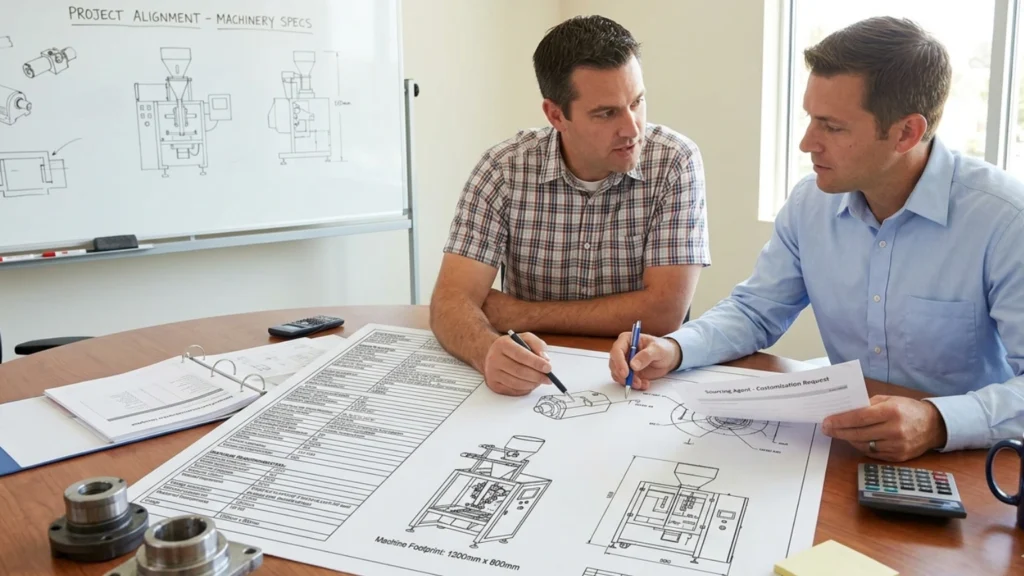
Problems with buying machines usually begin long before delivery; blame often lands on an ambiguous message sent at the start. Instead of clarity, many purchasers hand over sketchy details to factories in China, so builders make assumptions. These guesses lead to mismatched power needs, flawed rotation rates, sizes off by inches, and even metal types unfit for purpose. Clarity arrives only when a precise spec sheet takes shape. That single file aligns expectations. Fewer errors appear during making. Expensive fixes drop away. Both sides hold the same version of the truth from the first step to the last.
A reliable machinery specification sheet supplier helps turn rough ideas into clear technical instructions. A complete machinery specification sheet from China gives Chinese factories a precise technical reference.
What Is a Machinery Specification Sheet?
Before building or buying a machine, a spec sheet lays out every key detail about how it must work. This document spells out size, power needs, output speed, what it’s made of, and how safe it has to be. Rather than guessing from talks or quick messages, suppliers get full clarity on exactly what to deliver. With clear guidelines in place, machines arrive ready to meet real-world tasks without surprises. When everyone follows the same page, mismatches drop sharply, and precision takes over guesswork.
Many importers work with a machinery specification sheet supplier to create accurate technical documentation. Using a machine technical specification format ensures every critical detail is clearly organized. Many buyers begin with an industrial machine specification template to avoid missing important requirements. Clear specifications also make inspections more effective, especially when applying the methods outlined in Quality Control Tips for Mechanical Machines from China.
Why It Matters in China Sourcing
Juggling orders for clients across various fields and regions, Chinese factories face constant pressure. When details lack clarity, misunderstandings creep in, and machines get built wrong. Put everything on paper, though, and guesswork fades away. Expectations become fixed, guiding each step forward. Missteps drop when everyone reads from the same page. Production flows better, and fewer fixes pile up down the line. Talking gets easier, too; decisions come faster. From start to shipping, things move without snagging.
A professional machinery specification sheet supplier reduces confusion during manufacturing. A strong China machinery sourcing specification sheet keeps suppliers aligned from quotation to delivery.
Why You Must Send a Specification Sheet to Suppliers
Most people overlook the spec sheet when buying equipment, yet it causes major issues later on. When directions lack clarity, factories tend to stick to default builds, resulting in gear unsuited for real tasks. Starting off with full specs gives makers a solid blueprint instead of guesswork. Expectations around size, strength, output, parts used, and finish become obvious right away. Misunderstandings drop sharply because everyone stays aligned from day one. Precision rises when details are spelled out early. Talking back and forth gets faster since less time goes into fixing errors.
Using a machinery specification sheet from a supplier ensures every requirement is documented correctly. This guide explains how to write machine specs for a supplier without leaving room for guesswork. Avoid costly production mistakes; send a clear specification sheet before placing your machinery order.
Key Sections of a Machinery Specification Sheet
Every detail fits inside a full spec sheet, so builders know exactly what to make. Because each part has its job, missing one means the maker decides how to handle it. Without every piece spelled out, guesses start creeping in where clarity should be. A detailed machinery specification sheet from China reduces technical misunderstandings before production begins.
Basic Machine Information
Picture this first: a clear label for the machine, what job it needs to do, and where it fits across sectors. That setup shapes everything else that follows. Context lands early, so whoever supplies it can grasp why things are built a certain way. Technical talk makes more sense when roots like these come first.
A skilled machinery specification sheet supplier starts by defining the machine’s purpose and application.
Technical Specifications
This is the core of the document. Include:
• Power requirements and voltage (critical for country-specific electrical standards)
• Production capacity (units per hour, kilograms per cycle, etc.)
• Operating speed and cycle rates
These figures must be exact. Approximate ranges lead to machines that technically comply but underperform in real conditions. An effective machine technical specification format includes voltage, capacity, and speed. An experienced machinery specification sheet supplier uses precise numbers rather than estimates.
Material Requirements
What the machine frame must be built of comes first, maybe stainless steel, perhaps carbon steel, or even food-safe parts. Quality levels for critical pieces like motors, bearings, and seals have to be spelled out clearly. Skipping written specs often leads to cheaper, weaker versions slipping in unnoticed. A proven industrial machine specification template helps document all material standards.
Performance Requirements
Start by spelling out exactly what results the equipment needs to achieve, rather than focusing only on how it is built. Real-world running speed matters: how fast it performs when actually making a product. Think about precision, too, like how consistently it fills, cuts, or seals each unit. What counts most shows up during testing, the numbers that prove if it works as promised. These measurable behaviors become your standard when checking whether it passes inspection. A detailed China machinery sourcing specification sheet should always include measurable performance targets.
Dimensions and Size
Most times, the size of a machine decides if it fits where you need it. Its total floor reach and heaviness matter most when checking the room on site. One that barely slides into place might still block walkways or exits. Sometimes walls must shift just to squeeze it in. That kind of change eats time before work even begins. Extra support under floors adds price tags nobody expected.
Automation Level
Start by deciding if a manual, semi-auto, or full-auto system works best. Price shifts depending on type, along with how many people are needed and how it connects into current workflows. When unclear, vendors tend to offer what they sell most, which might not suit your setup at all. A machinery specification sheet supplier helps buyers define the correct automation level.
How to Write a Machinery Specification Sheet Step-by-Step
A well-built spec sheet takes time; skipping steps turns it into paperwork that looks official but won’t help when things go wrong. Starting strong matters, yet how you follow through shapes whether it holds up later.
If you are wondering how to write machine specs for a supplier, the following steps provide a practical framework. This is where a machinery specification sheet supplier becomes especially valuable.
Step 1: Define Your Production Needs
Start by asking what task the equipment must perform in your factory setup. Think about which item it will process during operation. Consider how much output is required each work period. Take note of available room dimensions and electrical supply limits. Everything after depends on these details. A machinery specification sheet supplier helps convert production goals into technical requirements.
Step 2: List Technical Requirements
Start by turning how much you make into clear specs like volts, battery size, pace, repeat time, and plus energy used. Go for precise numbers instead of estimates when able. When wiring rules where you are clash with China’s usual setup, say 110V against 220V or 50Hz next to 60Hz – call it out straight. A consistent machine technical specification format makes technical communication much easier.
Step 3: Add Performance Expectations
Start by spelling out exactly what the machine must do when running in everyday work settings; skip the perfect lab scenarios some vendors show off at delivery. What matters is steady performance once it’s on your floor. Expectations need hard numbers: how fast it runs at its slowest acceptable pace, just how precise it has to be, plus how often it stays online without failing. Hold back nothing; vagueness helps no one. “Real world” means dust, shifts in power, and operator changes. Plan for that. A China machinery sourcing specification sheet turns expectations into measurable acceptance criteria.
Step 4: Include Design References
Start with what you’ve got, machines nearby, items similar to yours, or even rough plans. Seeing it helps avoid guessing games later on. A photo of something already built. Or lines drawn freehand showing shape and size. Even a sketch on paper beats unclear words. When others can look, they build closer to what you need.
An industrial machine specification template becomes more effective when supported by drawings and photos.
Step 5: Confirm Safety & Compliance Standards
Whatever certifications the machine needs should be spelled out clearly. For Europe, that means mentioning CE marking right away. Electrical safety rules might apply, so name them directly. If parts touch food, say, materials must meet food-grade standards. Rules can change by industry; list exactly which ones matter here. Never guess the supplier understands local demands. Write every requirement down without leaving room for error.
Every machinery specification sheet from China should clearly list compliance requirements.
Common Mistakes Buyers Make in Specification Sheets
Some people write down what they want in a machine yet skip key details, causing issues when ordering. Because items like power needs, how much it makes per hour, running speed, materials used, or size are missing, sellers have to guess while building. More often than not, these guesses mean the equipment follows usual factory settings rather than matching real work conditions.
Descriptions such as “top-notch” or “quick operation” appear, too, though nobody explains exactly what those words mean. Without clear targets tied to numbers or tests, misunderstandings pop up once making or checking the item begins. Even if the device runs fine, its results may fall short on precision, volume handled, or consistency simply due to unclear expectations written at the start.
Real Example of a Good vs Bad Specification Sheet
A spec sheet works because it says exactly what matters. Vague details kill usefulness, no matter how much you write. What counts is clarity, not pages filled. Sharp focus beats long paragraphs every time. Exact words make the difference.
Bad Example
“Need a packaging machine for our products. Should be automatic and fast. Good quality materials.” This gives the supplier hardly any real guidance. So they’ll likely go with what they always offer, expect power levels common there, then judge speed using their usual standards. Most probably means changes later.
Good Example
- Vertical form-fill-seal packaging machine.
- Output: 60 pouches per minute.
- Pouch size: 100mm x 150mm.
- Film width: 320mm.
- Power: 220V, 50Hz, 3-phase.
- Stainless steel contact parts (food grade).
- CE marking required.
- Machine footprint: max 1200mm x 800mm.
- Include emergency stop and safety guarding.
This gives the supplier a clear, verifiable target. Quotations will be accurate, production will align with expectations, and inspection criteria are already defined. This example follows a professional machine technical specification format. It can serve as an industrial machine specification template for future machinery purchases.
Importance of Technical Drawings
When suppliers get clear diagrams, they see how parts fit together, what size everything must be, plus exactly how to put it all together; mistakes drop because confusion fades early. A well-drawn plan acts like a quiet guide during busy workdays.
A machine’s job gets spelled out in written specs. Its shape and structure come alive through drawings. Without both, building something complicated or one of a kind would stumble. Each piece guides the other, step by step. A machinery specification sheet supplier often combines written specs with technical drawings.
Types of Drawings Needed
• Layout drawings: Show overall machine dimensions, footprint, and how it fits within the production line
• Component sketches: Detail specific parts that require custom fabrication or non-standard specifications
• Assembly diagrams: Illustrate how components connect, which is critical for machines with custom configurations or integration requirements
How Specification Sheets Improve Supplier Communication
Most times, a clear spec sheet turns messy talks with suppliers into something tighter. Instead of wandering chats, people stick to what matters. One solid version of truth sits between them, cutting confusion fast. Questions pop up less often when details are already down on paper. Getting price estimates moves more quickly because nobody waits around for answers. Factories follow exact notes, not someone’s loose recall from an old conversation. Accuracy climbs once everyone reads from the same page. Before sending your specification sheet, it is important to evaluate whether the factory has the technical capability to meet your requirements, as explained in How to Choose a Machinery Manufacturer in China.
A machinery specification sheet supplier creates one clear reference for both buyer and factory. A China machinery sourcing specification sheet improves quotation accuracy and inspection consistency.
Role of OEM & Custom Machinery Orders
Most off-the-shelf models already list their specs. But when it’s an OEM or built-to-order unit, those details aren’t preset, so the spec sheet matters twice as much.
OEM Machines Require Detailed Specs
Starting with how things look, your spec sheet spells out changes needed when putting your name on someone else’s machine. Think logo placement or color shifts; those details live here. Instead of guessing, every switch in parts gets written down clearly. Compliance tweaks? They’re included too, matching rules that apply to your market. Performance fixes go in as notes, not afterthoughts. Missing this document means getting whatever the factory usually builds. Everything stays stock unless marked otherwise. Custom OEM projects often require support from a machinery specification sheet supplier.
Custom Machines Need Precise Requirements
When you need a machine made just for you, it starts from zero. Nothing exists like it before. Each size, every metal part, each piece inside, and how fast it runs are all written down clearly first. Without full details up front, mistakes happen later. Fixing those mistakes costs more the longer they go unnoticed. A customized industrial machine specification template is especially useful for non-standard machines.
Role of a Kingsler Machinery in Specification Sheet
When buyers do not have enough knowledge of how to build full specs on their own, help comes through a focused machinery scout. At Kingsler Machinery, guidance unfolds by shaping correct spec papers, sharing precise tech details with Chinese makers using native-speaking contacts, and turning unclear requests into clear factory instructions while watching builds stay aligned with original plans. A match between the ordered design and final equipment holds steady through oversight that begins early and lasts.
For newcomers buying machines, help matters most. When orders are built to order, mistakes in details hit hardest. Guidance here cuts through confusion before it starts. Skip mistakes by working with pros on clear machine specs for factories in China. Precision begins before orders ship.
Kingsler Machinery serves as a trusted machinery specification sheet supplier for international buyers. Another machinery specification sheet from China can be prepared before supplier negotiations begin.
Don’t risk production errors. Get expert help from Kingsler Machinery to prepare accurate machinery specification sheets for Chinese suppliers.
Best Practices for Writing Specification Sheets
To be clear, specs must stick to exact numbers, swap general terms for things like size in millimeters, output by the hour, and energy use in kilowatts. Drawings help. So do real pictures. Sketch out layouts, too. Before anything gets made, check directly with the maker. Hand over the full document. Wait for a reply in writing; they need to say they’ve seen it and gotten it. Clear up any confusion first. Only then move forward. A structured machine technical specification format improves consistency across all projects.
Quick Checklist for Buyers
Start by spelling out exactly what the machine will do. Since its role matters, describe how it fits into daily operations. When listing technical details, include precise numbers, not guesses. Because performance counts, show expected output using actual working scenarios. Real-world conditions shape results, so base claims on typical usage. Safety rules? Name each required standard and proof of approval. For clarity, toss in sketches or photos along with the request. That way, misunderstandings drop off. A complete China machinery sourcing specification sheet helps suppliers quote with confidence.
Final Thoughts
Starting off, a spec sheet sits at the heart of any smart machine purchase. What happens next? Your output needs to become real blueprints someone can fabricate. Skip this step, and misunderstandings take root, each guess adding price tags down the line. Because factories focus on details, vague talk leads to redoing work and budget leaks when plans shift halfway, plus waiting longer than needed.
Yet here’s the twist: solid specs do more than fix one deal. They set how teams exchange info going forward, quietly making follow-up orders smoother without extra effort. Choosing the right machinery specification sheet supplier is one of the smartest investments before sourcing machinery from China.
Ready to source machinery without errors? Get expert support to create accurate specification sheets and communicate with Chinese suppliers effectively.
FAQs
What is a machinery specification sheet?
A machinery specification sheet is a detailed document that defines how a machine should be built and perform. It includes technical requirements such as dimensions, power supply, production capacity, materials, automation level, and safety standards. This document gives suppliers a clear blueprint to follow during manufacturing.
Why do suppliers need specification sheets?
Suppliers need specification sheets because they eliminate guesswork. Clear specifications help manufacturers understand exactly what the buyer expects, resulting in more accurate quotations, smoother production, and fewer costly revisions or misunderstandings.
How do I write a machine specification document?
To write a machine specification document, start by defining your production needs and operational goals. Then list technical requirements, performance expectations, material preferences, dimensions, automation level, and compliance standards. Supporting the document with drawings and photos makes it even more effective.
What details should be included in machinery specs?
Machinery specifications should include machine purpose, technical parameters, power requirements, production capacity, operating speed, materials, dimensions, automation level, performance standards, safety certifications, and design references such as drawings or photos.
Do Chinese suppliers accept custom specification sheets?
Yes, Chinese suppliers routinely accept custom specification sheets. In fact, most manufacturers prefer detailed buyer-provided specifications because they reduce misunderstandings and help ensure the finished machine matches the buyer’s exact requirements.
Why are technical drawings important in machinery sourcing?
Technical drawings provide visual instructions that show dimensions, layouts, and component connections. They complement written specifications by helping suppliers understand the machine structure more accurately, which reduces design errors and improves manufacturing precision.
Get In Touch
We’d love to hear from you! Reach out with your questions or feedback.
- +8618957999107 , +8615867974765
- support@kingslermachinery.com
- 1711, Wuyue No.1 Mansion, Jiangdong Road, Yiwu City, Jinhua, Zhejiang Province