


Blogs
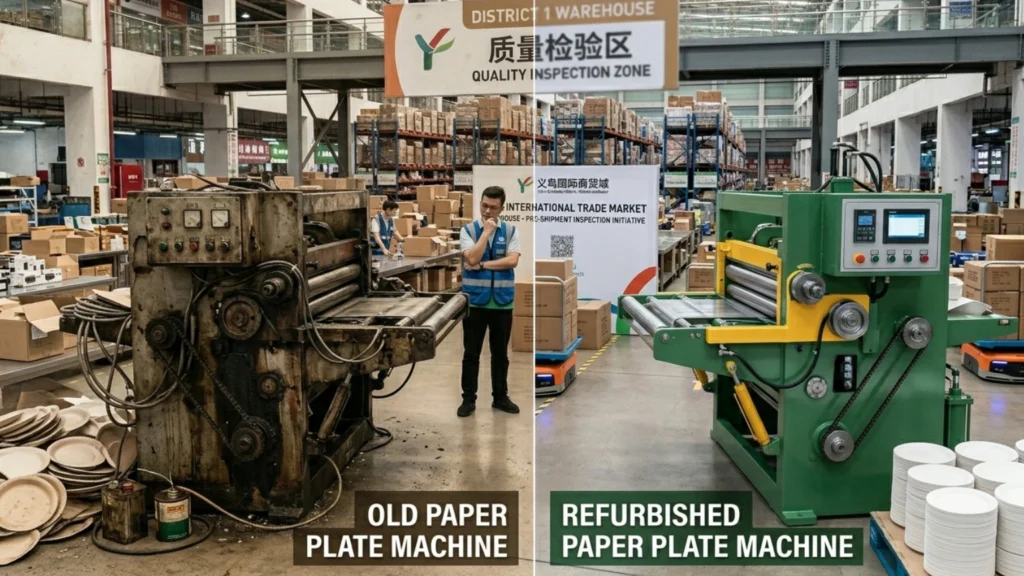
Buying a used paper plate-making machine looks like a smart move, with a lower upfront cost, faster entry into production, and less capital at risk. For many small businesses, it genuinely is. But without proper evaluation, a used paper-plate making machine can turn into one of the more expensive mistakes a new manufacturer makes.
Worn dies, faulty motors, and undisclosed mechanical damage don’t appear in a seller’s photos. Most buyers discover these problems after the machine is installed, when repair bills start eating into whatever savings the used purchase provided. This guide from Kingsler Machinery covers exactly what to check before you commit.
Why Buyers Choose Used Paper Plate Making Machines
A new paper plate making machine from a reputable Chinese manufacturer can cost several thousand to tens of thousands of dollars, depending on output capacity and automation level. A second-hand paper plate-making machine may cost 40–60% less, a meaningful difference for a small operation or first-time manufacturer. When that used paper plate making machine is properly vetted, the savings are real. For readers unfamiliar with how paper products are manufactured, an overview of papermaking provides useful background on the broader paper production industry.
The setup timeline is also faster. There’s no waiting on manufacturing lead times or international shipping. For entrepreneurs who aren’t yet committed to large-scale production, lower capital exposure through a used purchase is a reasonable way to start. These reasons are legitimate, but they only hold when the machine you buy actually works and keeps working.
Key Things to Check Before Buying a Used Paper Plate Machine
Before any purchase, a physical inspection of the used paper plate making machine is essential. Five areas matter most.
- Machine Working Condition should be evaluated through a live production run, not an empty demonstration, but an actual test with paper stock through a full production cycle. Watch how the machine feeds, forms, and ejects plates. Jamming, irregular output, or inconsistent plate shape all indicate deeper problems.
- Motor and Electrical System faults are both common in older machines and expensive to fix. Look for worn wiring, signs of overheating on the control panel, and inconsistent motor behavior under load. Electrical issues in a used paper plate-making machine are notoriously difficult to price in advance.
- Die and Mould Condition directly affect output quality. The die shapes every plate, wear, crack, or misalignment that shows up in every batch. Inspect pressing surfaces closely and check alignment when the press closes. Replacement dies are a significant cost item.
- Production Speed and Output should match the seller’s stated specifications during a live test. A machine advertised at 1,500 plates per hour should reach close to that under real conditions. Significant shortfalls usually point to wear in the drive system or heating elements.
- Frame and structural damage affect alignment and long-term machine life. Cracks, welded repairs, rust, or warping in the frame are red flags. A machine that looks functional but has a compromised frame is a liability from day one.
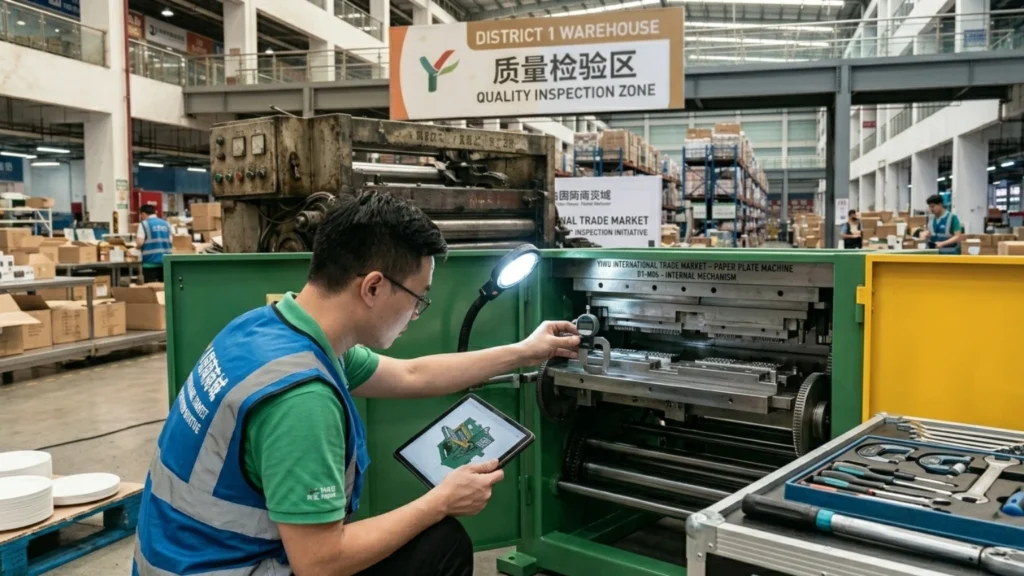
Maintenance Cost of Used Paper Plate Machines
Spare parts replacement is often the biggest hidden cost of any used paper-plate-making machine. For well-known Chinese brands, parts are accessible and affordable. For older or discontinued models, sourcing replacements can be difficult and expensive. Labor costs for repairs accumulate with every breakdown, and downtime losses, production hours lost while the machine is being fixed, are consistently underestimated by first-time buyers. Always ask the seller for a maintenance history before agreeing to any price on a used paper-plate-making machine.
Common Risks When Buying Used Paper Plate Machines
A used paper plate-making machine carries risks that go beyond visible wear. Hidden mechanical faults are the most common concern, problems that don’t appear during a short demonstration but reveal themselves under hours of sustained production load.
No warranty or after-sales support is the norm with any secondhand paper plate-making machine. When something breaks two weeks after delivery, the full cost falls on you. High repair frequency in older machines is simply a factor of wear and operating hours. And low production efficiency, slower output, and higher reject rates are a quiet cost that reduces margin on every batch without ever appearing as a single line-item expense.
New vs Used Paper Plate Machine: Comparison
| Factor | New Machine | Used Machine |
| Upfront Cost | Higher | Lower |
| Production Speed | At rated capacity | May be reduced |
| Warranty | Typically 1 year+ | Usually none |
| Spare Parts | Readily available | May be limited |
| Maintenance Risk | Low | Medium to high |
| Setup Time | Longer (lead time) | Faster |
| Output Consistency | Reliable | Variable |
| Ideal For | Long-term production | Low-budget entry |
When to Choose a Used Machine
A used paper plate making machine makes sense when your startup budget is limited, your initial production scale is small, and you want to test demand before committing to larger capital. Speed of setup and lower entry cost are the main advantages.
When to Choose a New Machine
A new machine is better suited for long-term, high-volume production where output consistency, lower maintenance, and warranty support matter. If downtime genuinely cannot be absorbed by your operation, the higher purchase price typically pays for itself. Browse Kingsler Machinery’s paper plate-making machine range if you’re weighing new machine options.
Not sure which direction suits your production goals? Kingsler Machinery’s experts can help you decide.
How to Inspect a Used Paper Plate Machine Properly
Inspecting a used paper plate machine requires checking mechanical performance, electrical systems, production output, and structural condition, ideally with a qualified technician present.
A complete paper plate manufacturing machine inspection checklist covers:
- Run a live production test with real paper stock for at least 20–30 minutes continuously. Observe plate quality, output rate, and machine behavior, not just a quick empty-press demo.
- Check motor and gearbox condition under load. Listen for grinding, rattling, or irregular rhythm that signals worn components.
- Inspect the die quality by examining pressing surfaces for cracks, chips, or wear and verifying alignment when the press closes.
- Review past maintenance records: what was repaired, how often, and by whom. A machine with documented service history carries significantly less risk than one without.
- Test the heating system to confirm the temperature reaches and holds the rated range. Fluctuating heat directly affects plate formation quality.
- Check the paper feeding mechanism for smooth, consistent operation. Erratic feeding causes jams and production rejects.
For buyers purchasing a used paper plate machine for sale remotely, especially when buying a used paper plate machine from China, this paper plate machine condition check guide must be applied by someone physically on-site. Remote inspection from photos and videos alone is not sufficient for a reliable assessment. When evaluating machine safety and operational risks, buyers should also review OSHA’s machinery safety guidelines before purchasing any industrial equipment.
When Should You Avoid Buying a Used Machine?
There are situations where a used paper plate making machine is simply the wrong choice, regardless of the price.
When the production scale is large, the efficiency loss and higher downtime risk of an older machine will outweigh savings in purchase cost. When precision quality is required for export markets or branded customers with strict standards, the output variability of a used machine creates real compliance problems.
When spare parts are unavailable for the specific model, one breakdown can permanently disable production. This is a particular concern when buying a used paper plate machine in China, where older domestic models may have no supply chain for parts outside their original manufacturing region. And when the machine’s history is completely unknown, with no service records and no previous owner information, the risk profile is too high to justify the lower price.
Where to Buy Used Paper Plate Making Machines
Local resellers offer the easiest access and sometimes provide basic inspection or limited refurbishment. Prices are higher than buying direct, but there’s usually some level of accountability.
Online machinery platforms Alibaba, Made-in-China, and regional industrial marketplaces list second-hand paper plate-making machines in large volumes, but condition disclosure is often unreliable. If you find a used paper plate machine for sale on these platforms, supplier verification is essential before engaging. Never rely solely on listing photos or seller-provided specs when evaluating a used paper plate machine for sale remotely.
China used machinery markets to offer the widest selection at the lowest prices. But buying a used paper plate machine in China without on-the-ground representation is high-risk. A local sourcing and inspection partner who can physically apply a paper plate machine condition check guide is how serious buyers reduce that risk. Kingsler Machinery maintains a dedicated second-hand machine sourcing service to support buyers purchasing used equipment from China with a professional on-site assessment.
How Kingsler Machinery Experts Help You Avoid Costly Mistakes
Kingsler Machinery is a China-based sourcing and inspection company with direct on-the-ground capability across Chinese manufacturing markets. For buyers evaluating any used paper plate making machine from China, their team addresses the full buying risk.
They inspect machine condition before purchase, running through a complete paper plate manufacturing machine inspection checklist that covers mechanical systems, electrical components, die condition, output testing, and structural integrity applied by a qualified technician on-site, not a remote photo review. Every point on that paper plate manufacturing machine inspection checklist is documented and shared with the buyer before any purchase decision is made.
They verify supplier credibility through business registration checks and reference verification. They estimate realistic repair and upgrade costs so buyers understand the true total cost of ownership before deciding. And they coordinate the entire process for international buyers who cannot be present, applying their paper plate machine condition check guide in full and sharing results with clear documentation.
For a broader look at how to avoid the most common sourcing mistakes when buying machinery from China, Kingsler Machinery’s guide on avoiding bad machine sourcing in China covers the full picture before you commit to any purchase.
Final Thought
A used paper plate making machine can be the right call when the condition, maintenance history, and output capacity have all been properly evaluated. The lower price is real. So is the risk. Hidden mechanical faults, missing service records, and unavailable spare parts are the costs that don’t appear in a listing but show up fast in your first months of production.
Smart buyers evaluate every used paper-plate-making machine before investing, not after. They run live tests, apply a thorough paper plate machine condition check guide, review maintenance records, and factor repair costs into the full picture. A used paper plate making machine that passes a rigorous inspection is a sound investment. One that doesn’t is just a problem you paid for. When buying a used paper plate machine in China, professional inspection support is what turns a risky transaction into a calculated one. The final rule: never commit to a used paper plate-making machine without a full, in-person condition check by someone who knows what to look for.
Planning to buy a used paper plate machine? Contact Kingsler Machinery for expert inspection, sourcing, and buying support from China before you commit. Reach out to the Kingsler Machinery team today.
FAQs
What should I check when buying a used paper plate making machine?
A full paper plate manufacturing machine inspection checklist should cover the motor and electrical system, die and mould condition, production speed under a live test, heating system performance, paper feeding consistency, and overall frame integrity.
Is a second hand paper plate making machine worth buying?
It can be, provided the machine’s condition has been properly verified. A second hand paper plate making machine offers lower upfront cost and faster availability, but carries higher maintenance risk and no warranty. The right answer depends on your production scale and whether you can evaluate the condition before committing.
Where can I find a used paper plate machine for sale?
A used paper plate machine for sale is available through local equipment resellers, online industrial platforms, and Chinese machinery markets. When buying used paper plate machine China, engaging a local inspection agent significantly reduces the risk of purchasing a machine in worse condition than listed.
What are the biggest risks with used paper plate machines?
The most common risks are hidden mechanical faults that only appear under sustained production, no warranty after purchase, high repair frequency in older machines, and spare parts that are difficult to source for discontinued models.
How do I inspect a used paper plate machine remotely?
Remote inspection has real limits. The most reliable approach is engaging a local agent who can physically run the machine, apply a complete paper plate machine condition check guide on-site, and provide video documentation with a written assessment. Kingsler Machinery provides this service for international buyers.