


Blogs
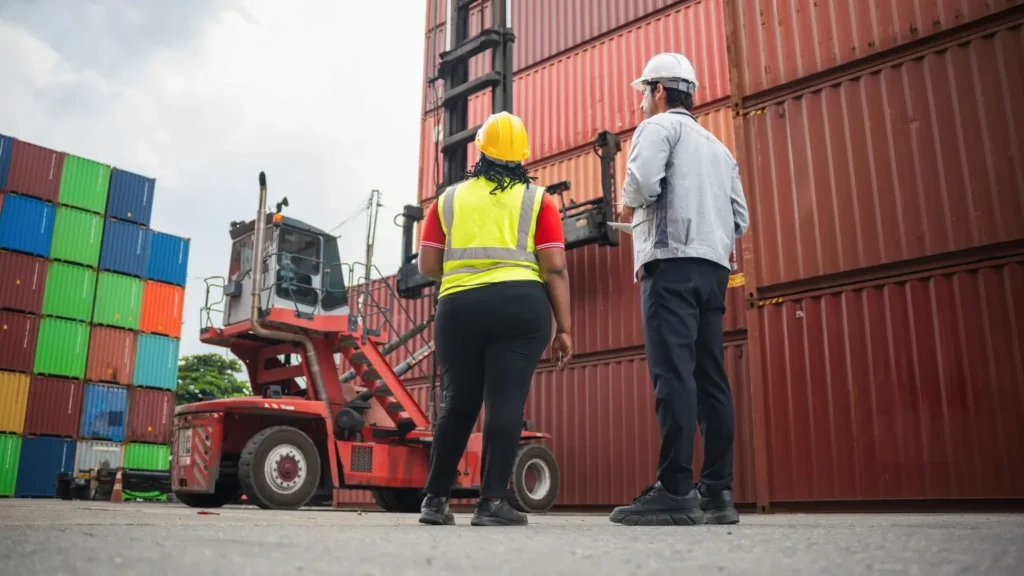
Shipping heavy machinery internationally isn’t like shipping a box of electronics or a pallet of consumer goods. The stakes are higher. The equipment is expensive. And the wrong shipping decision can cost you a lot more than just freight fees.
So when it comes to FCL vs LCL shipping for heavy machinery, you want to get this right the first time.
This guide breaks it all down: cost, transit time, safety, and exactly which option makes sense for your situation. If you’re just starting out, this complete guide to buying machinery from China can help you avoid beginner mistakes.
Visit Kingsler Machinery to choose the right shipping method with confidence.
What Is FCL and LCL Shipping, Exactly?
Before getting into the specifics of heavy machinery, let’s make sure we’re on the same page about the basics.
- FCL (Full Container Load) means you book an entire shipping container that is 20 or 40 feet, exclusively for your cargo. Nobody else’s goods go in there. The container gets sealed at the point of loading and stays sealed until it reaches the destination.
- LCL (Less than Container Load) means your cargo shares space in a container with other shippers’ goods. You only pay for the cubic meters (CBMs) your shipment occupies, not the whole box.
That’s the core FCL vs LCL shipping difference: exclusive use vs shared space. Simple enough. But for heavy machinery, the implications of that difference go much deeper than cost per CBM.
Container Shipping for Heavy Machinery: What Actually Fits?
Standard 20 ft and 40 ft containers suit compact machinery like CNC machines, generators, and excavator parts. If you’re working with CNC machines, it helps to understand how printing machinery works before shipping. Larger or irregular equipment needs special containers. options. For many businesses, using the right packing machinery can make handling and transport much easier.
Depending on your equipment’s size and shape, you might also be looking at:
- Flat rack containers: open sides, ideal for wide or irregularly shaped machines that can’t go through standard container doors
- Open-top containers: for equipment that’s too tall for standard containers but can be loaded from above
- RoRo (Roll-on/Roll-off): for self-propelled wheeled machinery like excavators, bulldozers, and wheel loaders; the machine drives right onto the vessel
- Break bulk: for truly massive equipment that exceeds all container limits, it’s more expensive, slower, and higher risk
For the purposes of this guide, we’re focused on containerized shipping, FCL and LCL specifically, and when each one makes sense.
FCL vs LCL Shipping Cost: The Real Breakdown
There’s no single answer; it depends on volume and cargo type when considering cost. When comparing FCL vs. LCL shipping for heavy machinery, cost depends on volume and handling. Here’s how the math actually works.
| LCL | FCL | |
| Pricing Model | Per cubic metre (CBM) | Flat rate per container |
| 20ft Container | Varies by CBM used | $1,500 – $3,000 |
| 40ft Container | Varies by CBM used | $3,000 – $5,000 |
| Extra Fees | CFS consolidation + deconsolidation + warehouse handling | Minimal ($100 – $300) |
Rates vary by route, season, and carrier. LCL may seem cheaper, but extra fees like consolidation and handling can raise the total cost.
To understand all hidden expenses, you should review the full breakdown of the cost of importing machinery to the USA.
Once your shipment reaches 13–15 CBM, FCL becomes competitive or even cheaper. Above 20 CBM, FCL is usually the better choice, especially for heavy machinery.
FCL vs. LCL Transit Time: Which Is Faster?
FCL pulls ahead here, and it’s not even close for machinery shippers. Transit time isn’t just about how long the ship takes to cross the ocean. In FCL vs. LCL shipping for heavy machinery, transit time plays a big role, especially before the vessel sails and after it docks.
With FCL, your container goes from origin port to destination port without stopping. It’s sealed at origin, loaded onto the vessel, and delivered at the other end.
LCL works differently. Your cargo first waits at a consolidation facility while the forwarder fills the container with other shippers’ goods. That adds 3–7 extra days to your transit time. Delays can increase during Chinese New Year factory closures. On major lanes like Asia to the USA West Coast, FCL clears customs up to 5 days faster even on the same vessel.
Speed matters when your machinery is in transit. Don’t let delays cost you time or money; get the right shipping plan today with Kingsler Machinery.
Which Is Safer for Heavy Machinery, FCL or LCL?
For expensive equipment, safety matters more than cost or speed, and the difference between FCL and LCL here is significant. Safety is a major factor in FCL vs. LCL shipping for heavy machinery, making this choice even more critical.
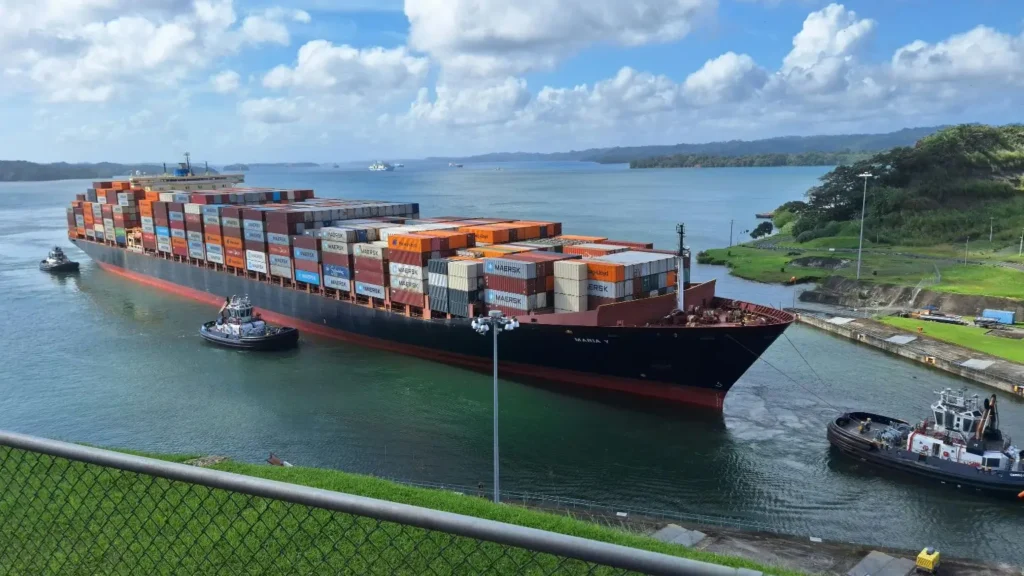
FCL shipping keeps things simple and secure: loaded once, sealed, and delivered directly to its destination with zero extra handling or outside interference. That’s exactly why it’s the preferred choice for high-value industrial equipment.
At Kingsler Machinery, FCL isn’t just a recommendation; it’s the standard. Having sourced precision machines worth thousands of dollars, we know exactly what poor transit handling costs, which is why every shipment goes out properly packed, sealed, and secured.
LCL is different. Your cargo passes through the origin. CFS gets consolidated with other shippers’ goods, risks mid-journey transshipment, and goes through deconsolidation before reaching you. Five touchpoints, five chances for damage, moisture, or pilferage on equipment worth thousands of dollars. That’s why you should always verify a factory in China. Many businesses also use factory verification services in China to reduce risk before shipping.
If you’re looking for the safest way to ship heavy machinery, FCL wins. No contest.
Should I Use FCL or LCL for Heavy Machinery?
It comes down to three things, how much you’re shipping, how valuable the equipment is, and how much risk you can accept.
Use FCL when:
- Your shipment exceeds 13 – 15 CBM (most single pieces of heavy machinery will)
- The equipment is high-value, precision-engineered, or fragile
- You can’t afford delays; delivery timing is tied to a project or production deadline
- You’re shipping to a destination where LCL consolidation capacity is limited
- You want fewer variables and simpler customs clearance
LCL might work when:
- You’re shipping a small attachment, spare part, or compact component
- The shipment is genuinely under 10 – 13 CBM and doesn’t fill even half a container
- Cost is the absolute priority and timing is flexible
- You’re shipping samples or prototypes that don’t have immediate production urgency
So if someone asks, “Should I use FCL or LCL for heavy machinery?” the answer is almost always FCL. Equipment size, value, and damage risk tilt the decision in that direction every time.
Best Way to Ship Heavy Machinery: Other Options
FCL is great, but it’s worth knowing where it fits in the wider picture of heavy machinery shipping methods.
| Method | Best For | Pros | Cons |
| FCL | Compact-to-mid-size machinery | Secure, faster, cost-effective | May need disassembly |
| LCL | Small components or spare parts | Low cost for small shipments | Slower, extra handling, more risk |
| RoRo | Self-propelled wheeled equipment | Cheaper, minimal crane handling | Machine must be in running condition |
| Flat Rack | Oversized equipment | Handles irregular dimensions | Exposed to elements |
| Break Bulk | Massive equipment beyond all limits | Only option for very large cargo | Slowest, most expensive, highest damage risk |
For most mid-size machinery, excavator components, industrial presses, generators, and compressors, FCL is the best way to ship heavy machinery when balancing cost, speed, and safety.
What About Demurrage and Detention Costs?
This catches a lot of first-time machinery shippers off guard, so it’s worth understanding before you book.
Demurrage storage fees charged when your container sits at the port too long. Detention fees charged for returning the empty container late.
FCL is operationally simple, but the moment your container arrives and you’re not ready to receive it, both clocks start ticking. And they stack up fast.
To keep things smooth, everything needs to be lined up on the receiving end site and ready. A proper remote factory audit in China can help ensure everything is prepared before shipment. The crane or forklift is arranged, and the customs paperwork is filed.
If any of that is delayed, budget for the extra fees. Demurrage and detention won’t wait for your schedule.
Final Thoughts
The FCL vs. LCL decision for heavy machinery isn’t difficult. Once you understand the numbers and the risks, the FCL vs. LCL shipping for heavy machinery decision becomes clear when you consider cost, time, and risk.
LCL has its place for small components and spare parts. But for anything substantial, the extra handling risk rarely justifies the savings.
As for FCL, get your measurements right, book early, work with an experienced forwarder, and don’t skip the cargo insurance. Do those things, and your machinery arrives exactly how it left.
Ready to ship your heavy machinery without risk? Contact Kingsler Machinery today and get expert solutions for safe, cost-effective shipping.
FAQs
Can I track my heavy machinery shipment in real time?
Yes, most freight forwarders provide live tracking through their portal or a carrier tracking number. Always confirm this before booking.
How far in advance should I book FCL for heavy machinery?
At least 4 – 6 weeks out on most routes. Peak seasons book up faster; don’t leave it to the last minute.
What is the weight limit for a standard FCL container?
A 20 ft container holds up to 28,000 kg, and a 40 ft one up to 26,500 kg. Always verify with your forwarder; heavy machinery can push these limits fast.
Can I ship machinery with fluids or fuel still inside?
Generally no. Most carriers require tanks to be drained and cleaned before loading. Check regulations for your specific route.
What happens if my machinery is delayed at customs?
It sits at the port, and demurrage fees start accumulating immediately. Correct documentation upfront is the only way to avoid this.
Do I need a special permit to ship heavy machinery internationally?
Sometimes yes, especially for oversized or high-value equipment. Your freight forwarder handles this, but always confirm early.
Is it cheaper to ship heavy machinery from China compared to Europe?
Usually yes. China-to-USA or Southeast Asia lanes are highly competitive. European routes tend to carry higher base freight rates.
Can I pack spare parts and attachments inside the same FCL container as my machinery?
Absolutely, and you should. You’re paying for the whole container anyway, so fill it up and avoid separate shipping costs.