


Blogs
Blown Film Extrusion Machine Manufacturing Business
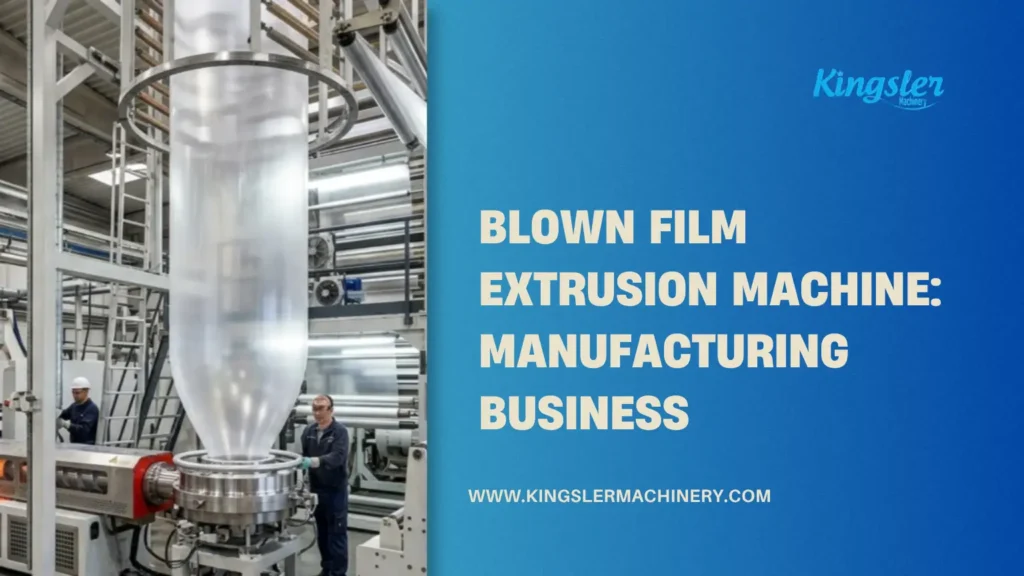
Blown film extrusion is a key process in the plastic packaging manufacturing industry. Manufacturers use it to produce films for bags, wraps, and other packaging materials. Anyone studying a blown film extrusion machine manufacturing business needs to understand this process first.
The blown film extrusion machine manufacturing business is growing steadily since flexible packaging demand continues to rise across food, retail, agriculture, and industrial sectors. A plastic film manufacturing business depends on reliable equipment and a clear understanding of machines, processes, and investments. This article explains each area in simple terms, so beginners can follow how a blown film extrusion machine manufacturing business works from start to finish.
What Is a Blown Film Extrusion Machine?
A blown film extrusion machine is industrial equipment used to produce plastic film rolls through extrusion, air blowing, cooling, and winding systems. It is the core machine used in any blown film extrusion machine manufacturing business.
This machine produces packaging films and bags used in daily life, from grocery bags to food wraps. It works by melting plastic resin and pushing it through a die, where air pressure shapes it into a thin film tube. The machine includes main parts such as an extruder, a die head, an air ring, and a cooling system. Depending on the design, a blown film extrusion machine can support single-layer or multi-layer production.
Blown Film Extrusion Process and Working Steps
Blown film extrusion is a continuous manufacturing process where plastic pellets are melted, extruded into a tube, inflated into a film bubble, cooled, and wound into rolls for packaging applications. Understanding the film extrusion machine working process is essential for anyone running a blown film extrusion machine manufacturing business, since each step happens in sequence, and the machine controls the process automatically once it starts running.
Process Flow (Step-by-Step Production)
The film extrusion machine working process follows a clear set of stages from raw material to finished roll.
- Plastic pellets enter the extruder hopper to begin the process.
- The extruder barrel melts and plasticizes the pellets into a smooth liquid.
- The molten plastic passes through a circular die to form a tube.
- Air inflates the tube upward to create a stable film bubble.
- An air ring and stabilization system cool the film as it rises.
- A collapsing frame flattens the bubble into a flat film layer.
- Winding rollers collect the finished film into packaging rolls.
Types of Blown Film Machines
Manufacturers choose between different machine types based on their production goals and budget. Each type suits a different stage of a blown film extrusion machine manufacturing business, from small testing operations to full-scale commercial output.
Monolayer Blown Film Machine
A monolayer machine produces basic single-layer film for standard packaging needs.
- The machine produces a single-layer film for general packaging use.
- It requires a lower-cost setup compared to multilayer systems.
- Operators find the machine simple to run and maintain daily.
Multilayer Blown Film Machine
A multilayer machine combines several material layers into one strong film.
- It performs two or three-layer co-extrusion in a single pass.
- The finished film offers better strength and barrier properties overall.
- Businesses use this machine type for premium packaging applications.
Lab Blown Film Machine
A lab machine supports small-batch testing before full production begins.
- The machine handles small-scale production for testing new formulas.
- Companies use it mainly for research and development purposes.
- It produces a lower output capacity suited for trial runs.
If you are exploring which machine type fits your blown film extrusion machine manufacturing business, Kingsler Machinery can guide you toward the right setup.
Blown Film Manufacturing Business Setup
Starting a blown film extrusion machine manufacturing business requires careful planning around equipment, materials, and facilities. The core requirement is a blown film extrusion machine matched to production scale, along with raw materials such as LDPE, HDPE, and LLDPE, which serve as base resins. A suitable factory space is also necessary, since the machine and its supporting systems require room for safe operation. A stable power supply is important, as extrusion depends on continuous heating. Alongside the main machine, a cooling and winding system is needed to finish the film and prepare it for sale.
Beyond equipment, new business owners must plan their investment carefully, since the blown film plant setup cost shapes how quickly a plastic film production machine business becomes profitable. Machine cost is usually the largest expense, and it varies depending on whether the setup is monolayer or multilayer. Raw material cost follows closely behind, since resin prices shift with market conditions. Labor cost covers the operators needed to run the line, while utility cost accounts for electricity and other resources. Maintenance costs should also be included in the blown film plant setup cost, since regular servicing reduces breakdown risk.
Blown Film Machine Working Principle
The machine melts plastic resin, pushes it through a circular die, inflates it into a bubble using air, cools it, and flattens it into continuous film rolls. This film extrusion machine working process applies across most blown film extrusion machines, regardless of size or layer configuration.
The process begins with a controlled heating system that raises the resin to a precise melting temperature. Once melted, the material moves toward the die, where air ring inflation shapes it into a thin-walled tube.
This tube rises vertically, forming vertical bubble formation, which allows gravity and air pressure to shape the film evenly. The machine also applies precision thickness control, adjusting air pressure and cooling rates to keep the film consistent, which matters greatly for any blown film extrusion machine manufacturing business focused on quality.
Applications of Blown Film Extrusion Business
Blown film products serve a wide range of everyday and industrial packaging machinery needs, which is why a plastic film manufacturing business can supply many different markets at once.
- Plastic shopping bags remain one of the most common blown film products.
- Food packaging films protect and preserve items across the retail supply chain.
- Agricultural films support crop protection and greenhouse covering applications.
- Industrial wrapping films secure goods during storage and transportation processes.
- Shrink and stretch films hold products firmly together during shipping.
Cost of Blown Film Extrusion Machine Business
The blown film plant setup cost depends on several factors that buyers must evaluate before investing in a blown film extrusion machine manufacturing business. Machine type plays a major role, since monolayer machines cost less than multilayer systems. Production capacity also affects price, as machines built for higher output demand stronger components and larger motors.
Automation level is another factor to consider, since machines with advanced automatic controls reduce labor needs but carry a higher upfront price. Raw material pricing, while not a direct machine cost, influences the total investment needed once a plastic film production machine business becomes operational. Installation costs, including electrical work and foundation preparation, add to the overall blown film plant setup cost.
Profitability of Blown Film Manufacturing Business
A blown film extrusion machine manufacturing business is profitable due to high demand for plastic packaging films across food, retail, and industrial sectors. This steady demand gives manufacturers a reliable market for their products throughout the year.
The business benefits from a continuous production system, which allows machines to run for extended periods with minimal downtime once properly set up. This helps keep the production cost per unit low, since fixed costs are spread across a larger volume of finished film. A plastic film manufacturing business is also scalable, meaning owners can start with a single monolayer machine and expand into multilayer production as demand and capital grow.
Challenges in Blown Film Business
Running a blown film extrusion machine manufacturing business comes with a set of practical challenges that owners should prepare for in advance, since even small errors in the film extrusion machine working process can affect output quality.
- Raw material price fluctuation can affect production costs without warning.
- Technical machine operation requires trained staff to avoid costly errors.
- Quality control issues can arise without consistent monitoring during production runs.
- Maintenance requirements demand regular attention to prevent unexpected downtime.
- Competition in the packaging industry pushes businesses to improve efficiency constantly.
How to Start a Blown Film Extrusion Machine Business
Starting a blown film extrusion machine manufacturing business follows a practical sequence of steps. The first step is to select a machine type based on budget, choosing between monolayer, multilayer, or lab-scale equipment depending on available capital and target market. Once the machine is chosen, the next step is to set up the production facility, ensuring the space has adequate power, ventilation, and room for material storage.
After the facility is ready, the business must source raw materials such as LDPE, HDPE, or LLDPE from reliable suppliers. Hiring trained operators comes next, since skilled staff is needed to run a plastic film production machine business safely. With the team and materials in place, the business can start trial production to test film quality before committing to full runs. Finally, the business can scale production gradually, increasing output as demand grows and reinvesting profits into the wider blown film extrusion machine manufacturing business.
Recommended Read: China 140th Canton Fair Phase 1
Why Choose Kingsler Machinery for Blown Film Extrusion Machines
Kingsler Machinery provides advanced blown film extrusion machines designed for efficient, high-quality, and scalable plastic film production. The company builds industrial-grade machines engineered to handle the continuous production demands of a busy plastic film manufacturing business without sacrificing film quality.
Kingsler Machinery also offers custom production solutions, allowing businesses to configure machines according to their film type, output requirements, and budget. With global export support, the company helps clients across different regions set up production lines that meet local packaging standards. High-efficiency systems built into each machine help reduce energy use and material waste for any blown film extrusion machine manufacturing business.
Final Thoughts
A blown film extrusion machine manufacturing business is a high-demand packaging industry venture with steady growth potential across multiple sectors. The type of machine a business selects directly affects product quality and long-term profit, making it an important early decision.
Multi-layer machines offer higher-value production for businesses aiming to serve premium packaging markets, while monolayer machines provide a practical starting point for smaller operations. A proper setup, covering machine selection, facility planning, and staff training, ensures long-term success for a plastic film production machine business.
For businesses ready to move forward, contact Kingsler Machinery for guidance and equipment to build a reliable production line.
FAQs
What is blown film extrusion?
Blown film extrusion melts plastic resin, forms it into a tube through a die, and inflates it with air to create thin, flexible film used for packaging.
What machine is used for plastic film production?
A blown film extrusion machine is used for plastic film production. It includes an extruder, die head, air ring, and cooling system that shape and finish the film.
Is the blown film business profitable?
Yes, the business is generally profitable because demand for flexible packaging stays high across food, retail, and industrial sectors, and continuous production keeps unit costs low.
What materials are used in film extrusion?
What is the cost of a blown film machine?
Machine cost depends on factors such as machine type, production capacity, automation level, and installation requirements, with multilayer machines typically costing more than monolayer systems.
Get In Touch
We’d love to hear from you! Reach out with your questions or feedback.
- +8618957999107 , +8615867974765
- support@kingslermachinery.com
- 1711, Wuyue No.1 Mansion, Jiangdong Road, Yiwu City, Jinhua, Zhejiang Province