


Blogs
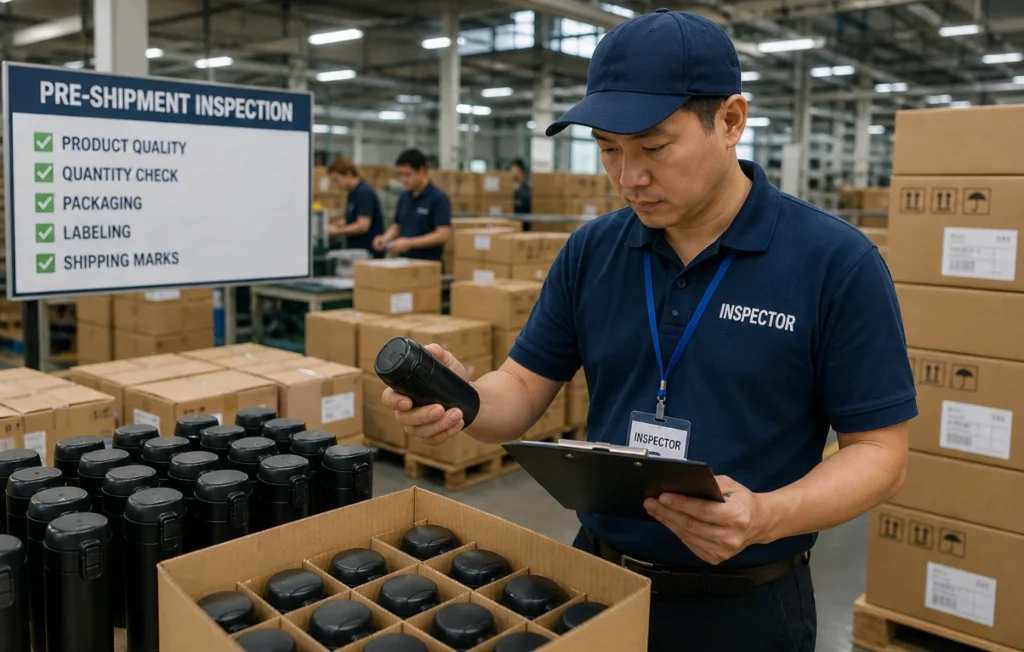
Most folks who order from China aim to scale up. Yet time after time, they hand over cash too soon, and they don’t look at the product first. Right before shipping, someone should walk into that factory. See what’s actually been built. Mistakes pop up: wrong color, missing pieces, sloppy boxes. Spotting those early with a pre-shipment inspection China approach means less chaos later on. Once it sails across the ocean, fixing anything gets messy. This check? Last real shot to sort things out.
What Is a Pre-Shipment Inspection?
Packed and waiting, items get examined once manufacturing ends, but long before they leave the warehouse. When inspectors step in China quality inspection before shipment, they cross-check each product against what was promised, making sure details line up, counts add up, plus how things are boxed and tagged fit shipping rules. This stage is a key part of the pre shipment inspection China process. This checkpoint becomes real only when someone says yes; the go-ahead rests here.
When It Happens
Most of the time in the pre-shipment inspection China, checking begins after manufacturing finishes, items get boxed up, or close to it, and the seller wants a sign-off or last payment. Timing matters here since fixing errors later, once cargo departs the nation, takes far longer and costs way more. That’s why a pre-shipment inspection China is done at the final stage.
Why Pre-Shipment Inspection Is Important
Before goods arrive, someone checks them. That check stops faulty items from getting through. Mistakes like wrong amounts stay caught early. Payment waits until quality passes through the proper China quality inspection before shipment. Problems with labels show up ahead of time. Weak boxes get noticed before shipping. Your name stays safe from poor results. Colors that do not match are flagged on site. Missing pieces? Found before loading. Disputes shrink when details align. Leverage grows at the final stage. Fewer losses happen this way. Accuracy climbs because eyes review everything under a proper pre-shipment inspection China system.
Don’t release the final payment blindly. Inspect your goods before they leave the factory.
When Do You Need a Pre-Shipment Inspection?
When supplier guarantees aren’t enough in the China quality inspection before shipment, think hard about checking goods before they ship. High stakes often mean it makes sense to verify things firsthand, especially if problems could cost you time or money down the line, using a product inspection China before shipping approach.
- First-time supplier orders
- Large volume or bulk orders
- High-value products
- Store versions of goods made for specific sellers instead of big-name brands
When it comes to machines and technical gear in the pre-shipment inspection China, checking them properly ensures they work as promised, not just as described on paper. A clear China quality inspection before shipment ties into global guidelines about whether products meet required norms before shipping, like the ones spelled out in the WTO’s pre-shipment inspection deal. That framework demands openness and speed in evaluations, stopping buyers from getting stuck due to surprise holdups or unclear terms. This is another reason why a pre-shipment inspection China is valuable.
What Is Checked During Pre-Shipment Inspection
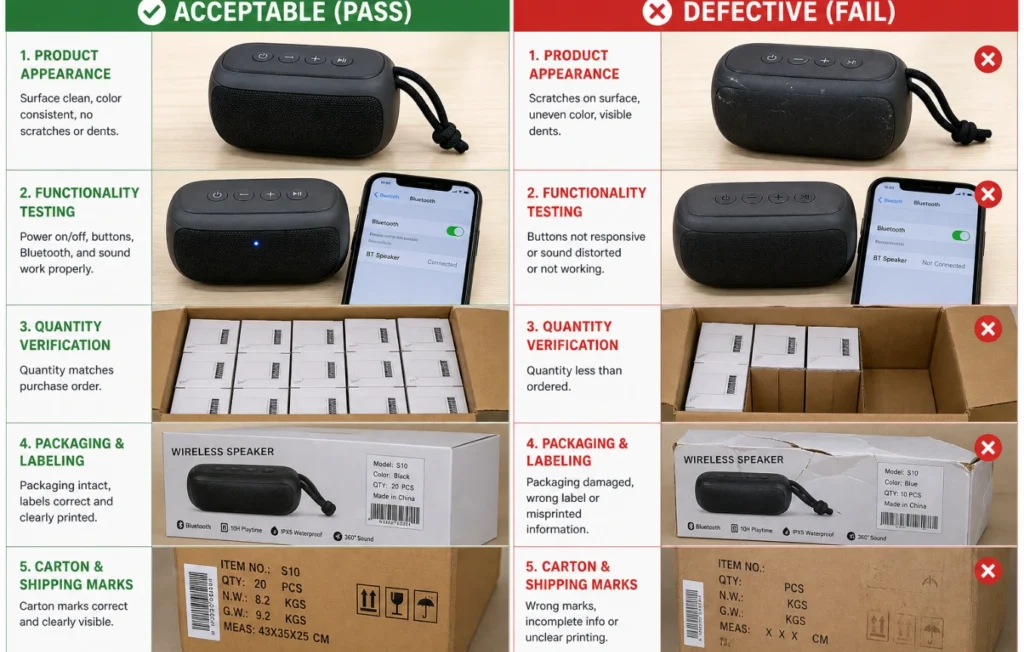
More than tallying crates, a pre-shipment inspection in China makes sure goods arrive ready to use and meet rules while matching the order exactly. Product condition often gets tested alongside how well things work, along with counts, box strength, tags, and shipping labels. Depending on what’s made, the danger involved, and the set benchmarks, scrutiny shifts in depth during China PSI inspection procedures.
Product Quality
Looks get checked first during the pre-shipment inspection in China; scratches, dents, or crooked seams stand out fast. Materials must match what was planned; nothing substituted without notice. A single loose thread might be enough to reject a batch if customers were to see it. Color shifts between parts catch the eye even when slight. Finish quality shows in how light hits surfaces; smooth or bumpy matters.
Misaligned pieces suggest poor control somewhere earlier. Stitching gaps whispers of rushed work. Brand presence on an item raises standards automatically. Tiny flaws gain weight when the logo’s involved. Each piece gets scanned as if it’ll sit in someone’s living room. Nothing obvious should slip through. Hidden spots still need checking, just in case. Unevenness tells its own story before anyone touches it under proper China quality inspection before shipment checks.
Functionality Testing
Most things need to prove they do what they’re supposed to in the pre-shipment inspection in China. Everyday objects get tested through simple trial runs or ease-of-use reviews. Machines, though, often require being switched on and running through main operations, yet also confirming specs line up with what was promised. Looks can fool you; something may appear ready but break once used, which is why product inspection in China before shipping is essential.
Quantity Verification
Checking how many items there are makes sure the count lines up with what was ordered. It sounds straightforward, yet missing pieces happen often enough that counting carefully matters. Going through boxed units one by one might stop arguments down the road, along with extra shipping or holdups often caught during a pre-shipment inspection China process.
Packaging and Labeling
Out of sight, a solid box keeps everything intact while details like logos and guides get checked by hand. Looks matter when someone flips through tags, leaflets, and stickers where barcodes sit; all must line up with what was ordered. Wrong prints or shaky wraps could mean broken items show up, maybe even stuck at borders from failing local rules, which is why China’s third-party inspection services are often used.
Carton and Shipping Marks
Checking happens on carton marks and shipping tags so that details like where things go, how they’re handled, and batch numbers, along with other info, line up right. Mistakes show up on these labels sometimes. When they do, packages might take wrong turns, get held up at borders, or face delays despite what’s inside being just as it should be. This step is also covered under the PSI inspection China practices.
Understanding AQL in Pre-Shipment Inspection
AQL (Acceptable Quality Limit) is a sampling method used to determine how many defects are acceptable in a batch of products during inspection. In any pre-shipment inspection in China, AQL inspection China provides the statistical backbone.
How AQL Works
Sometimes mistakes happen in production. AQL inspection China helps figure out if those mistakes matter. Not everything gets checked one by one. People look at a small group picked carefully instead. If that piece shows too many flaws, the whole lot might be questioned. Speed matters, but so does safety. Cost plays a role just like accuracy. Decisions come from numbers, not guesses. Risk stays low without slowing things down completely.
Why AQL Matters
Most people rely on AQL inspection in China since it brings consistency to checking products, steering clear of guesswork. Picture two buyers getting the same batch; one says yes, the other no, just due to foggy rules during review. This approach shows up often in managing standards, laying out its role clearly within the Acceptable Quality Limit document, showing step by step where random checks sit inside broader number-based evaluation systems. Using AQL correctly is a hallmark of a serious pre-shipment inspection China program.
Step-by-Step Pre-Shipment Inspection Process
The pre-shipment inspection China process is usually straightforward, but each step adds value.
Step 1: Schedule Inspection
Once production is finished and goods are ready, the inspection is scheduled at a time that works for the factory and the buyer. Choosing the right timing helps avoid rush or last-minute surprises.
Step 2: Select Sample Size (AQL)
The inspector selects a sample size using AQL based on the total order quantity. This ensures the sample is statistically meaningful and aligned with industry-standard sampling practices.
Step 3: Conduct On-Site Inspection
The inspector visits the factory, selects the sample, and checks for defects, appearance issues, packaging quality, and labeling accuracy. They may also perform basic functionality tests if the product allows it.
Step 4: Record Defects
All defects are recorded, categorized, and often photographed. This documentation becomes the basis for the final decision.
Step 5: Generate Report
After the inspection, the inspector prepares a detailed report summarizing findings, defect types, and whether the shipment passes or fails against the agreed criteria.
Step 6: Approve or Reject Shipment
The buyer reviews the report and decides whether to approve shipment, request rework or corrections, or hold payment. This step is where the inspection becomes a real business protection tool.
Types of China Quality Inspection Before Shipment
One way sees widespread use across China. Another method also shows up often there. For a thorough pre-shipment inspection in China, both approaches have their place.
Full Inspection
Checking each item one by one makes sense when numbers are tiny, or mistakes could cause big trouble. Still, because it demands extra hours and people power, full scans happen mostly on rare runs where risk looms large.
Random Sampling Inspection
Most orders get checked by picking items at random. From the chosen pieces, inspectors count flaws using AQL inspection China rules to decide if the full shipment passes. Efficiency drives this approach; it saves money while staying common across global buying and selling. The process holds up well because many trading partners already trust it.
Common Problems Found During Inspection
Every now and then, inspectors spot the same problems in various factories. Defective items turn up a lot, along with wrong specs, mistakes in packaging, or things simply not being there. Labels often look bad, and parts rattle free or vanish altogether, while boxes sometimes lack strength, risking damage during shipping.
When issues show up early, spotting them pre-shipment inspection China beats finding out once containers reach the far shore. Early detection shifts the game; ocean crossings reveal nothing new if flaws were already there. Problems seen ahead of departure save weeks down the line. Before boxes leave the dock, clarity matters more than reactions halfway around the world. What hides at the start stays hidden until unpacking overseas. Catching hiccups while still on land changes outcomes quietly but completely.
Cost of Pre-Shipment Inspection in China
A look at goods before they ship from China often runs from one hundred to three hundred dollars each day, shaped by where it happens, what’s being checked, and how involved the item is. Basic items tend to move faster through checks, needing fewer hours, whereas machines, tech gear, or big batches with many types of parts demand extra attention, pushing prices up. Still, that fee feels light when measured against the money lost if something arrives broken or wrong. That’s why investing in a pre-shipment inspection in China is smart for most buyers.
Common Mistakes Buyers Make
Wrong moves happen when buyers skip checks completely, depend solely on seller images, get AQL wrong, or push delivery fast, leaving zero room for fixes. Seeing inspections baked into regular ordering, not tacked on at the last minute, keeps those errors at bay. A reliable quality control routine prevents most of these pitfalls.
Role of Third-Party Inspection Services
Out there, some firms check goods before they leave the factory. These checks happen away from the seller’s control. Because of that, results tend to stay neutral. No pressure comes from people trying to make a sale. Buyers then see what truly meets standards. Photos often come back showing real conditions. Notes list every problem spotted during review. One firm might skip details; another gives full notes. Each time, findings point clearly toward go or no-go choices. Using China’s third-party inspection services is one of the smartest ways to execute a proper PSI inspection in China. Authorities like the U.S. Consumer Product Safety Commission (CPSC) use inspection, testing, and certification requirements to ensure imported consumer products meet safety standards.
Role of a Machinery Sourcing Agent
A machinery sourcing agent plays a critical role in ensuring that buyers receive equipment that matches both technical requirements and quality expectations. Companies like Kingsler Machinery handle on-ground inspections to verify machine condition, specifications, and overall build quality before shipment. This includes evaluating machine performance through test runs, checking output efficiency, and confirming that all components function as promised. By doing this early, potential defects or mismatches are identified and resolved before they turn into costly problems after delivery. This agent-led approach complements any product inspection China-before-shipping strategy.
In addition, a sourcing agent acts as the direct bridge between buyers and manufacturers. They manage clear and consistent communication with suppliers, ensuring that technical specifications, customization needs, and production timelines are fully understood. At the same time, they enforce strict quality standards throughout the preshipment inspection China process, from production to final inspection. This structured oversight reduces risks, prevents misunderstandings, and ensures that the machinery delivered aligns with the buyer’s expectations in both performance and reliability.
Avoid costly defects and delays; get professional inspection support from Kingsler Machinery before your goods leave the factory.
Best Practices for Pre-Shipment Inspection
To get the most value from pre-shipment inspection in China, consider the following best practices:
- Inspect before releasing the final payment so you retain some leverage with the supplier.
- Use AQL inspection China standards so the inspection criteria are clear and consistent.
- Review the inspection report carefully, especially the defect photos and measurement notes.
- Work with experienced inspectors who understand your product type and risk level.
- Build inspection into your sourcing routine, not just for “special” orders.
Final Thought
Before things head out the door, check them one more time. That moment just before shipping? It is where mistakes get caught, saving cash, reputation, name, and people who buy. Problems stay small when found early. Those who plan ahead look first, send later.
Start by thinking about how checks fit into your daily work. Try teaming up with outside experts who know shipping and quality control tips. These helpers might show you ways to weave inspections naturally into ordering and sending goods. Curious what that looks like? Peek at Kingsler Machinery’s guides on testing machines and moving shipments from China. Their take gives real examples, with no guesswork about where checking steps belong when trading across borders.
Ready to secure your shipment? Get expert pre-shipment inspection China support. Contact Kingsler Machinery today!
FAQs
What is pre-shipment inspection in China?
It is a quality check done after production but before shipping to ensure products match requirements, quantity, and quality standards.
When should I do the inspection before shipment?
It should be done after manufacturing is complete and goods are packed, but before final payment and shipment release.
How much does inspection cost in China?
Typically between $100–$300 per man-day, depending on product type, location, and complexity.
What is AQL inspection?
AQL (Acceptable Quality Limit) is a sampling method used to decide how many defects are acceptable in a batch.
Do I need a third-party inspection in China?
Yes, especially for bulk, high-value, or first-time supplier orders, to ensure independent and unbiased quality checks.