


Blogs
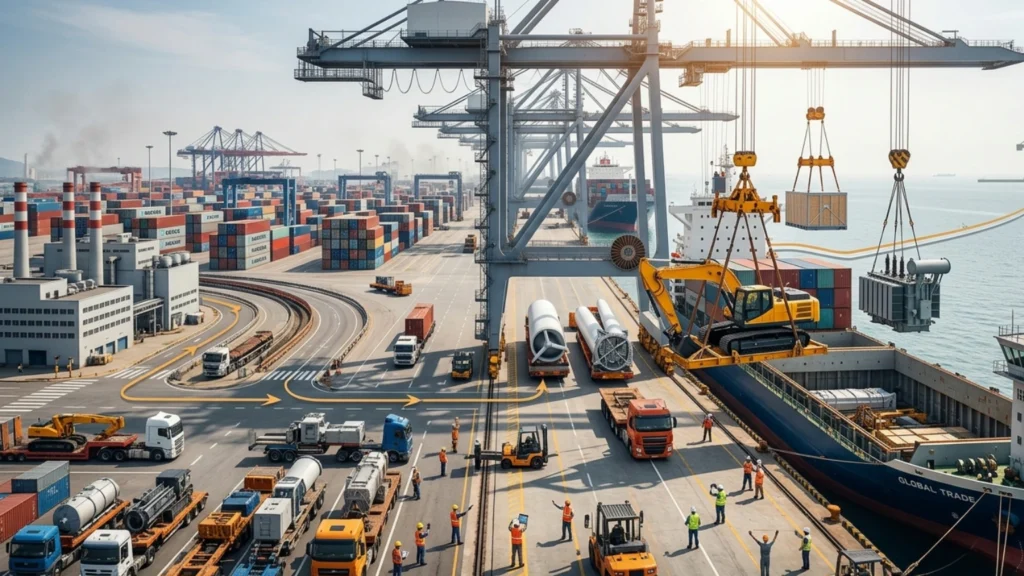
Out here, hauling heavy equipment from China isn’t nearly as straightforward as it looks. Sure, you can load something onto a ship, but that’s where the ease ends. Truthfully, moving gear from China takes precision; each phase demands attention. When shipments arrive late or machines show up broken, stress spikes fast. The truth is that machines are moving out of China. Nothing like mailing a package of shirts.
These are hulking loads, tangled regulations, and miles between the production line and the destination. Each step drags time, demands precision, and rarely goes smoothly. Hold on tight; this guide covers every step. From sorting out gear shipped from China, skipping typical errors pops up until machines arrive safely, right when needed.
Ready to move your equipment without the headache? Get a custom logistics plan with Kingsler Machinery and ship your equipment with ease.
Why Equipment Logistics from China Is More Complex Than Standard Shipping
Here’s something many buyers don’t realize until it’s too late: shipping machinery from China is entirely different from shipping regular goods.
Size and Weight Challenges
Most construction and industrial machines are simply too big for standard shipping methods. They may not fit in a regular container, or they might weigh more than standard cargo. This means you’ll need special handling, special equipment, and sometimes even special ships.
When you’re dealing with heavy equipment, every step requires extra care — this becomes even more important when handling large equipment orders from China.
Risk of Damage
Even strong machines face risks while moving. Though built to last, they react badly to shaking, dampness, or being dropped. When shipping, small flaws in protection lead to big problems later. An expensive unit worth vast amounts might fail before it even starts, just from poor packing. That’s why following proper quality control tips before shipping is so important.
Multi-Stage Process
Equipment logistics from China isn’t one shipment; it’s a chain of events:
- Factory to port in China
- Export customs clearance
- Ocean freight
- Import customs in your country
- Inland transport to your site
If any link in this chain breaks, your project gets delayed.
Step-by-Step Equipment Logistics from Process
Let me break this down so you know exactly what to expect when shipping machinery from China.
Step 1: Prepare Equipment for Shipment
Before anything moves, your machine needs to be ready. This means proper packaging, often wooden crates for heavy equipment. For very large machines, partial disassembly might be required to fit transport dimensions. Proper protection against rust and moisture is critical, especially for long ocean voyages.
Before this stage, it’s smart to know how to verify a factory in China.
Step 2: Choose a shipping method
Heavy machinery moves from China mostly on cargo ships. Flying it. Rare. Cost piles up fast with large gear. Choices pop up when wheels aren’t turning down highways
- FCL Full Container Load Rent Entire Container
- LCL Less Than Container Load Share Space With Others
- Heavy pieces move loose on ships when boxes won’t work. Cargo too large for standard metal cases travels this way instead
- Flat rack containers, open-top containers for large equipment
Shipping goods from different suppliers together can lower costs. One single delivery instead of many cuts expenses. Combine shipments from multiple suppliers into one consolidated load through product consolidation services to reduce freight cost and improve shipping efficiency.
If you’re unsure which shipping option to choose, this breakdown of FCL vs LCL shipping can help you decide.
Step 3: Select a Freight Forwarder
Most choices won’t weigh as heavily as this one. From the first lift to final drop-off, your freight partner runs point. Experience moving heavy machines through Chinese channels matters – proven work with large loads shows they can deliver.
Step 4: Handle Export Documentation
Paperwork might be boring, but it’s essential. You’ll need:
- Commercial invoice
- Packing list
- Bill of lading
- Export declaration
Mistakes here can stop your shipment at the border.
Step 5: Manage Customs Clearance
Customs is where many shipments get stuck. You need the correct HS code for your machine type. Different machines have different duty rates. Compliance checks can cause delays if your paperwork isn’t right.
For importing machinery China logistics, working with a broker who knows the rules is a huge advantage. According to the Australian Government ARENA project insights, many delays in international equipment shipping happen because buyers skip proper documentation and compliance checks early in the process.
Step 6: International Transportation
Once your equipment is on the ship, it’s in transit. But this isn’t a “set it and forget it” situation. Port coordination, vessel schedules, and transshipment points all need monitoring.
The Hunan Provincial Government has shared real examples of how rail-sea intermodal routes are successfully moving heavy machinery from Chinese factories to international buyers faster than ever before.
Step 7: Final Delivery to Site
Once the vessel docks, getting your gear to you begins. Moving it inland could mean trucks, sometimes rails, and now and then a barge on water. Offloading at the site? That demands proper tools; maybe cranes show up, forklifts pitch in, or rollback rigs roll through. Should setup be part of the deal, timing has to snap together just right.
Need a custom logistics plan for your equipment? Contact Kingsler Machinery for expert support.
Best Shipping Methods for Heavy Equipment
Let’s compare your options for heavy equipment shipping from China.
FCL vs. LCL
FCL means you get an entire container. This is better for larger shipments and reduces the risk of damage from other people’s cargo. It’s usually more cost-effective if you’re filling most of the container.
LCL means you share space. This works for smaller machines, but your cargo gets handled more times, which increases risk. It can also take longer because of consolidation and deconsolidation.
Breakbulk Shipping
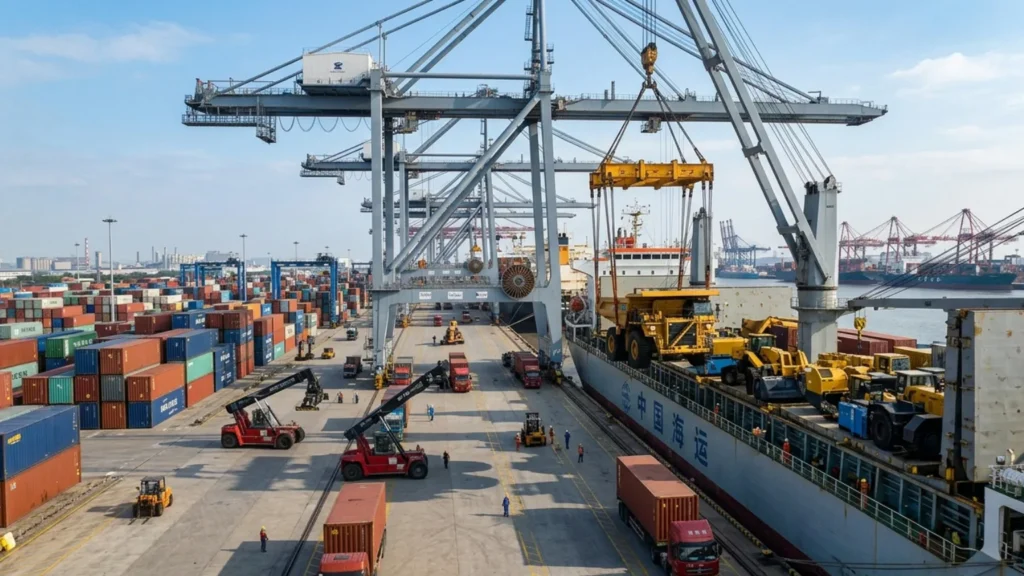
For machinery that’s too big for any container, breakbulk is the answer. The equipment is loaded directly onto the vessel, often using cranes. This is common for industrial presses, large generators, and construction equipment.
According to industry data, China’s breakbulk shipping sector has strong on-time delivery rates, with some providers achieving over 99%.
Flat Rack Containers
These are containers without sides or tops, just a floor. They’re perfect for large equipment that’s too wide for a standard container but still needs some protection. Flat racks are commonly used for equipment logistics from China when dealing with machinery that has irregular shapes.
Key Logistics Costs to Consider
When budgeting for shipping machinery from China, don’t just look at the freight quote. Here’s what you need to include:
- Freight cost: The actual shipping charge
- Port charges: Loading and unloading fees at both ends
- Customs duties: Import taxes based on your machine’s HS code
- Inland transport: Moving from the port to your site
- Packaging: Crating, wrapping, and securing
- Insurance: Protection against damage or loss
Hidden costs can add up fast. For example, if your shipment gets delayed at customs, you might pay demurrage fees for leaving your container at the port too long.
One real-world example: a 90-ton excavator shipped from China to Libya required on-site splitting and custom packaging, saving the buyer about $20,000 in logistics costs. That shows how proper planning makes a difference.
Common Logistics Risks in Equipment Shipping
Let’s be honest, things can go wrong. Here are the biggest risks when shipping machinery from China:
Damage During Transit
Even with good packaging, heavy equipment can shift during rough seas. Vibration can loosen components. Moisture can cause rust. And forklifts at ports aren’t always gentle.
Delays at Customs
Missing paperwork or incorrect HS codes are the top reasons for customs delays. When your machine sits at the port, your project sits idle.
Incorrect Documentation
One wrong number on your bill of lading can stop everything. Double-check every document before it’s submitted.
Poor Packaging
This is the most common mistake. Thin wood, weak strapping, or no moisture protection, these lead to damaged machines. A 35-ton laser cutter shipped successfully only because of proper wooden crate packaging, which provided rigid support and complete enclosure.
How to Reduce Risk in Equipment Logistics
How to Reduce Risk in Equipment Logistics
Every shipment carries risk, but the right preparation cuts that risk dramatically. Here are the four most effective ways to protect your machinery before it ever leaves the warehouse. Many risks come from poor supplier choices, so learn how to avoid bad machine sourcing in China.
Proper Packaging
Never underestimate the damage ocean freight can cause. Use heavy-duty wooden crates for valuable machines, add desiccants to control moisture buildup during long voyages, and secure everything tightly with industrial-grade straps and internal bracing. For heavy equipment shipping from China, packaging isn’t just a formality; it’s your first and strongest line of defense against transit damage.
Insurance Coverage
Skipping marine cargo insurance is one of the biggest financial risks a buyer can take. A comprehensive policy is relatively affordable compared to the full replacement cost of a machine. Make sure your coverage matches the actual declared value of the equipment and clearly outlines what’s covered during loading, transit, and unloading.
Verified Freight Partners
Not every forwarder understands the complexity of machinery logistics in China. Work exclusively with partners who have a proven track record handling oversized and overweight cargo. Look for documented on-time delivery rates, client references, and experience with your specific equipment category. Some established providers consistently report delivery rates above 99%.
Pre-Shipment Inspection
Before your machine leaves the factory floor, inspect it thoroughly. Take detailed photos, document serial numbers, and test operations wherever possible. This creates a verified record of the equipment’s condition before transit begins, giving you solid evidence if any damage claim arises later.
Role of a China Sourcing Agent in Equipment Logistics
If you’re not based in China, a sourcing agent can be a lifesaver. Here’s what they do:
- Supplier coordination: Making sure the factory prepares the machine correctly
- Packaging supervision: Ensuring proper crating and protection
- Logistics planning: Choosing the best route and method
- Documentation support: Handling all the paperwork
Many buyers find that working with an agent makes equipment logistics from China much smoother. A China Mechanical Sourcing Agent helps you get specialized support for mechanical equipment procurement without the usual headaches of dealing directly with unknown factories.
Common Mistakes Buyers Make
Learn from others who’ve been through this. Avoid these costly errors before your shipment leaves the ground.
- Underestimating Logistics Costs: Don’t just budget for freight. Port fees, import duties, and inland trucking add up fast. Always keep a 20–30% buffer in your logistics budget.
- Choosing the Cheapest Shipping Option: A low price usually means slower routes, poor packaging, and unreliable partners. Pay a little more for a forwarder you can trust.
- Ignoring Packaging Quality: Ocean freight is rough. Even heavy machinery can get damaged without proper crating, bracing, and moisture protection.
- Not Planning Customs Clearance: You need the right HS code, forms, and permits, and it takes time. Start the paperwork early to avoid costly port delays.
Poor planning costs more than good preparation. Choose reliable partners, protect your cargo, handle customs early, and always budget extra for hidden logistics costs.
Best Practices for Equipment Logistics from China
Getting equipment logistics right isn’t luck; it’s preparation. Follow these proven practices to ensure your machinery arrives on time, in perfect condition, and without unnecessary stress.
Plan Logistics Early
Don’t wait until your machine is ready to ship before thinking about freight. Start planning the moment you place your order. This gives you enough lead time to compare shipping methods, secure the right freight partner, book container space, and prepare all necessary documentation without rushing.
Work with Experienced Partners
Not all freight forwarders are equipped to handle heavy or oversized machinery. Choose a partner with a proven track record specifically in shipping machinery from China. Ask for references from similar shipments, check their handling capabilities, and confirm they understand the compliance requirements for your destination country.
Track Shipment Progress
Modern freight forwarders provide real-time shipment tracking; use it consistently. Knowing exactly where your equipment is at every stage of transit allows you to plan site preparation, coordinate delivery crews, and respond quickly if any unexpected delays arise.
Prepare for Final Delivery
The last mile matters just as much as the ocean crossing. Before your shipment arrives, confirm your site is fully ready; have a crane or forklift on standby; ensure the ground can support the equipment’s weight; and make sure a qualified person is present to receive and inspect the delivery.
With Kingsler Machinery Sourcing Services, you can learn how we help you find and source the right machinery from China without the usual stress of managing everything yourself.
Final Takeaway
Out of nowhere comes the need to move gear across borders; China makes it clear that one step follows another like clockwork. What works? Think ahead, stay connected with teams, and avoid surprises before they happen. Each piece fits only when timing, teamwork, and backup plans line up without warning.
Should things go smoothly, the equipment reaches its destination without issue and exactly when needed. That keeps work moving forward as planned. Missing deadlines or dealing with broken gear becomes a problem that someone else faces.
Out of nowhere, China ships massive machines across oceans, taking up space on trains and then boats without pause. Fire trucks roll out alongside diggers, heading far beyond borders most never see. Routes exist where steel tracks meet saltwater lanes, built for weight and distance, too. Finding someone who knows how to navigate the system makes all the difference when wheels leave the yard.
Get expert support for equipment logistics from China. Contact Kingsler Machinery today.
FAQs
What makes equipment logistics from China more complex than normal shipping?
Shipping machinery is harder because of size, weight, and multiple steps. Unlike small goods, machines need special handling, detailed planning, and careful coordination at every stage.
What is the best shipping method for heavy machinery?
It depends on the size. Large machines often use breakbulk or flat rack shipping, while smaller ones can go in containers (FCL or LCL). Choosing the right method helps reduce damage and cost.
Why is packaging so important in machinery shipping?
Good packaging protects your machine from damage during long ocean journeys. Without proper crating and moisture protection, even strong equipment can arrive damaged.
What documents are needed for shipping machinery?
You usually need a commercial invoice, packing list, bill of lading, and export documents. Missing or incorrect paperwork can delay your shipment at customs.
How can I avoid delays in customs clearance?
Start early and use the correct HS code and documents. Working with an experienced customs broker can help you avoid common mistakes and delays.
What costs should I include in my logistics budget?
Besides freight, include port fees, customs duties, inland transport, packaging, and insurance. Always keep a 20–30% extra budget for unexpected costs.
How can a sourcing partner help with equipment logistics?
A professional service like Kingsler Machinery can handle supplier coordination, packaging, shipping, and paperwork. This makes the whole process smoother and less stressful.