


Blogs
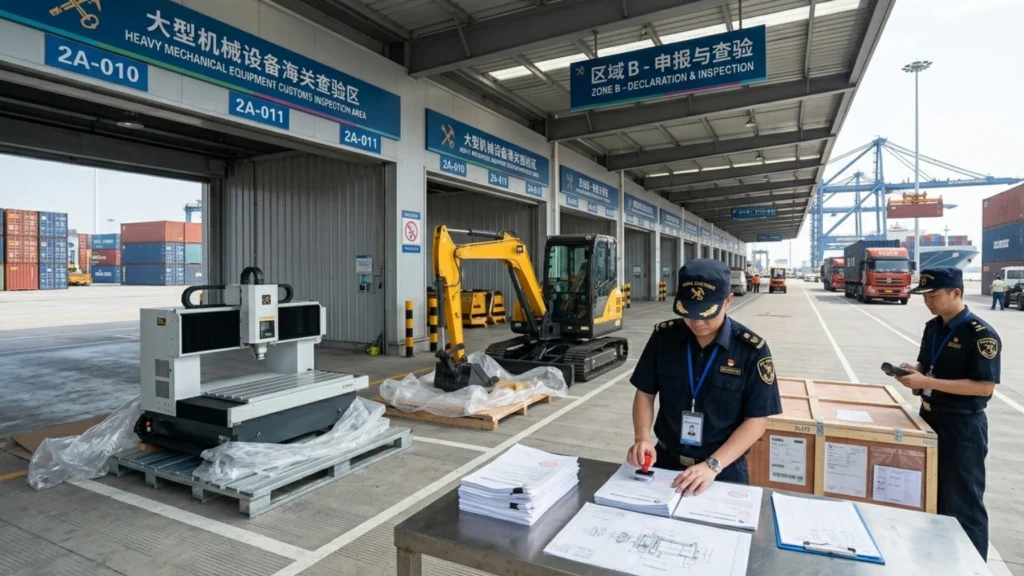
Importing machinery is far more than simply shipping goods from one country to another. It is a structured compliance process where accuracy and coordination determine success. For businesses looking to achieve smooth customs import clearance for mechanical equipment, understanding every detail is essential. Many importers encounter unexpected customs delays, incorrect documents, or surprise duties that can halt projects and increase costs significantly.
At Kingsler Machinery, we specialize in helping clients navigate the entire machinery import process with confidence. Whether you are importing for the first time or expanding your operations, this guide explains how to handle customs import clearance for mechanical equipment efficiently when you import machinery from China.
How Customs Clearance Works for Mechanical Equipment
Getting customs import clearance for mechanical equipment means following the rules so it can legally arrive in a new country. Officials check paperwork closely and look at the price listed while making sure the item type matches what was reported. Machines usually get more attention during checks since they cost more, involve detailed tech features, and must meet strict safety rules.
Delays in customs clearance machinery for China shipments are common when preparation falls short. Proper planning and accurate information help ensure the machinery import process flows without unnecessary interruptions.
Why Is Compliance Critical in Machinery Imports?
Failing to meet rules can cost time and money. When importing machinery from China, you need careful checks so things move smoothly.
Avoid Delays and Penalties
Mistakes in paperwork or details that do not match might lead to delays at borders, penalties, and sometimes extra fees for keeping goods too long. When a mechanical gear is involved, getting ready ahead of time for customs import clearance for mechanical equipment helps eliminate these risks.
Prevent Cargo Rejection
Facing rejection at customs becomes a real risk when machines fall short of official rules. Costly fixes or shipping items back often follow if they do not comply.
Ensure Smooth Delivery
Only once every piece falls into place for customs import clearance for mechanical equipment does the process move smoothly, clear border checks, and arrive on time. A single mismatch slows everything, yet precision keeps it moving forward. Timing hinges on correct paperwork, proper classification, and steady coordination behind the scenes. Delays vanish when details match expectations set by officials. Smooth passage means the gear shows up ready for work.
Sticking close to the rules cuts down on problems while keeping equipment imports running smoothly. What matters is staying alert to details so the machinery process moves without hiccups later.
Step-by-Step Customs Import Clearance Process
Figuring out how the machinery process starts by walking through each phase of customs import clearance for mechanical equipment. Smooth sailing happens step by step, not all at once. Clearing inspections leans on preparation more than luck. Paperwork moves faster when details line up early. Hidden delays often tie back to overlooked forms. Officials respond better when documents match exactly. Mistakes cost time; double-checking pays off quietly. Every machine has a path; find it before shipping. Surprises shrink when plans stay sharp. Success hides in routine checks, not grand gestures.
Step 1: Classify Machinery with the Correct HS Code
Wrong label? Higher fees might follow. Early choice of the proper HS code machinery in China cuts future disagreements. Check precise rules using U.S. government details on Harmonized System (HS) Codes, sourced by the International Trade Administration.
Step 2: Prepare Accurate Documentation
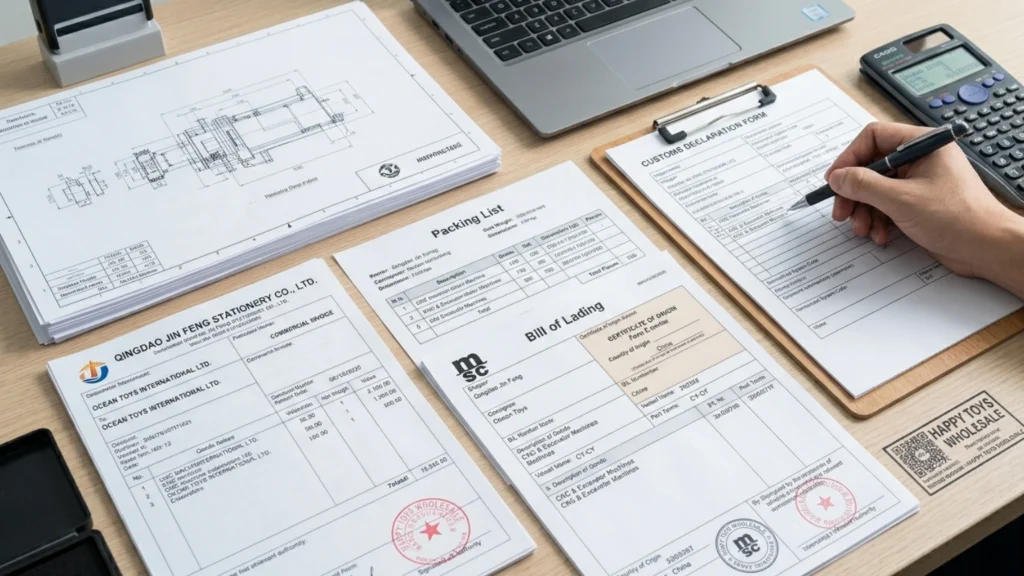
Every smooth machinery import’s documentation usually involves invoices, packing lists, or permits that move things forward. Paper trails matter most when shipments cross borders. Customs checks rely heavily on accurate forms filled out ahead of arrival. Mistakes delay everything without warning. Clear records help avoid sudden stops at checkpoints. Details must match exactly, no exceptions ever.
- Commercial invoice
- Packing list
- Bill of lading
- Sales contract
- Certificate of origin
- Equipment details come alongside approved safety standards
Checking every detail matters when paperwork meets the shipment on site. Officials compare what was filed with what’s physically there.
Step 3: Submit Customs Declaration
Start by listing every item clearly on the customs form. Product details must be specific, leaving little room for guesses. The declared worth should match exactly what is paid or valued. Use the proper HS code for machinery in China. Accuracy here avoids delays later down the line.
Step 4: Customs Review and Inspection
Checking begins once paperwork arrives, sometimes followed by an on-site look at the machinery. Inspection happens only if needed, depending on what the forms show.
Step 5: Duties and Taxes Payment
Shipping costs might include fees tied to how the goods are classified. These can come up during customs checks. Taxes like VAT or GST apply depending on what is being moved. Duty amounts change with each type of item shipped. Rules decide which charges get added. What you pay follows those rules closely.
Step 6: Clearance Approval and Release
Only after confirmation of details plus clearance of dues does customs allow the shipment to move forward. Goods start their way out once checks finish and money clears through system channels.
Key Documents Required for Machinery Import
Getting machinery import documentation is essential when bringing machinery from China into another country during customs clearance machinery China. Before shipping, have ready a commercial invoice along with a packing list. A bill of lading shows up next in line; keep it accurate.
Without a completed customs declaration form, things stop moving. Technical details about the equipment must come, too, clear and full. Certification papers prove the machine meets standards; never skip these. Errors or gaps in forms? That’s often why shipments wait too long.
Managing Duties, Taxes, and Costs
Import duties for customs import clearance for mechanical equipment vary depending on the HS code of machinery from China and the specific regulations of the destination country. Hidden expenses might pop up, things like service fees or keeping cargo stored. The full picture of rules and who does what shows up clearly in the U.S. Customs document made for business shippers. Staying ahead with details keeps costs predictable and avoids last-minute issues.
Common Customs Clearance Problems
Out of nowhere, customs import clearance for mechanical equipment often slows things down. Mistakes in documentation show up again and again. Missing details on forms cause delays without warning. Wrong tariff codes pop up frequently. Equipment descriptions that don’t match raise red flags. Incomplete records stop shipments mid-flow. Inspectors sometimes flag items for unclear reasons. Unexpected product classifications create confusion later. Labels lacking proper info get rejected fast. Past shipment problems tend to repeat themselves.
Planning to import equipment? Start with a sourcing consultation with Kingsler Machinery.
How to Ensure Timely Customs Clearance
Start smart. Get ahead early. Move fast before delays hit. Stay sharp with clear plans. Think steps, not shortcuts. Watch details closely. Fix hiccups fast. Build strong links with suppliers for the machinery process. Share updates often. Know the rules inside out. Skip guesswork. Prepare paperwork right the first time. Test every part carefully. Track shipments like clockwork. Adjust when storms come. Learn after each run. Because it anticipates problems, getting customs import clearance for mechanical equipment takes less time. That shift makes daily workflows run more easily.
Role of a China Machinery Sourcing Agent
Because they know the system well, a skilled China machinery sourcing agent makes customs import clearance for mechanical equipment far smoother. Paperwork gets handled right, suppliers stay aligned, and declarations move faster when guidance is on hand. With Kingsler Machinery, customs clearance machinery China experts step in to prevent missteps, speed up processes, and keep everything within legal boundaries.
Start exploring every machine we offer by visiting the Products section. Another way to understand how buying equipment from China works is through the detailed guide available online.
Logistics Planning for Mechanical Equipment
Heavy machines usually take up space, so moving them needs smart preparation. Not just size matters; how you pack and ship changes everything. A full container might work better than shared space, depending on the load. Getting customs import clearance for mechanical equipment right helps avoid delays at borders. A smooth machinery import process means fewer headaches later down the road.
Best Practices for Smooth Import Clearance
Follow these proven best practices to achieve reliable results:
- Verify all documents before shipment
- Confirm the HS code machinery China early in the process
- Align your supplier, logistics provider, and customs team
- Avoid making last-minute changes
Starting off right means fewer hiccups when moving goods through Chinese customs. Each move plays a part in keeping things running without delays. Smooth processing comes from careful attention at every point. Following these actions makes the system work better overall.
Final Takeaway
Getting customs import clearance for mechanical equipment isn’t one step. It flows like linked pieces. Mistakes slow everything down. Smooth movement needs careful checks at every turn. A clear plan when the machinery process from China cuts waiting time. Costs stay steady when you import machinery from China, and are handled early. Fewer surprises happen if each part connects well. Planning ahead shields against common setbacks.
Start your import process smoothly with help on customs paperwork for machines. A team member at Kingsler Machinery knows how the gear moves from China.
FAQs
How to import mechanical equipment from China?
Starting off right means picking the accurate HS code for Chinese machinery. Getting every document ready comes next, making sure nothing’s missing. Working alongside a reliable helper, Kingsler Machinery, for example, brings it all together smoothly.
What documents are needed for machinery import?
Shipping papers for big machines start with a commercial invoice. A packing list shows what’s inside each box. The journey begins once the bill of lading is signed. Where it’s made matters; the certificate of origin proves that. Technical details must be clear, page by page.
Machine tools fall under which HS number?
Equipment heading numbers in China shift based on the kind of machine it is. Check first, this shapes duty costs and the rules you’ll follow.
How long does customs clearance take?
Expect delays if inspectors get involved; clearing customs for machinery often spans several days up to two weeks. How fast it moves hinges on where it’s headed. Paperwork done right helps things slide through more smoothly. Some countries dig deeper, slowing everything down.
Should I work with a freight forwarder for heavy machinery?
Absolutely. Experienced forwarders manage container loading, choose the right FCL or LCL option, and coordinate with customs to support smooth customs import clearance for mechanical equipment.