


Blogs
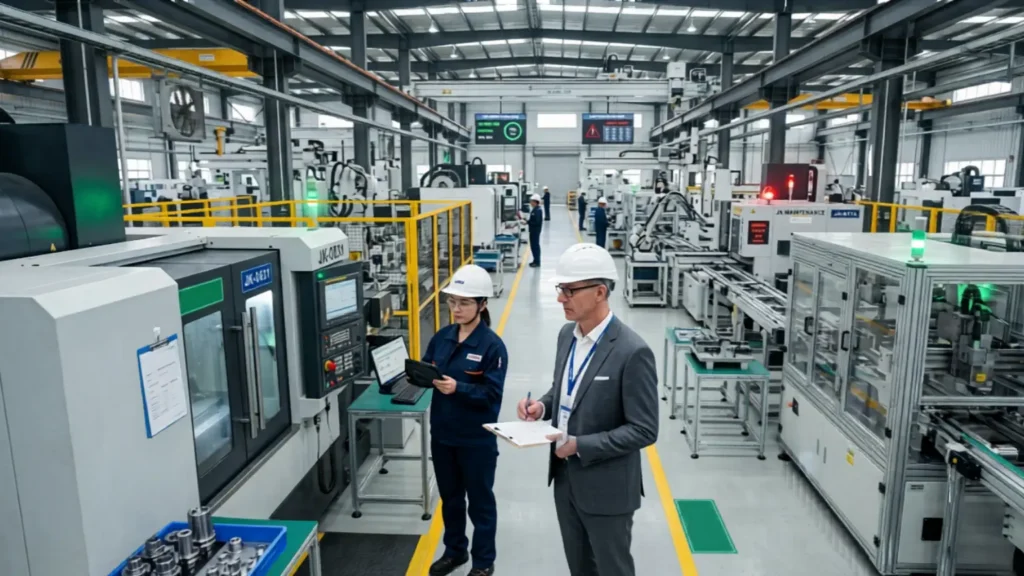
Sourcing machinery from China can work out brilliantly, or it can turn into one of the costliest mistakes a business makes. These are major capital purchases. When something goes wrong, it’s rarely just a bad purchase either: production lines stall, deadlines slip, and replacement costs stack up fast. Buying used machinery raises the stakes even further, whether it’s mining equipment, CNC boring machines, or sand washing systems, because you’re trusting someone else’s usage history instead of a clean factory spec sheet.
Avoiding a bad purchase takes more than finding a good price. It takes a verified process built on supplier checks, machine testing, and quality control at every stage. That’s what this guide walks through.
New to sourcing machinery from China? Explore our machinery products to see verified equipment options before you buy.
Why Bad Machinery Purchases Are So Common in China Sourcing
Most sourcing mistakes follow a familiar pattern. A buyer finds a supplier on Alibaba or a similar platform, likes the brochure and the quote, and places an order without digging further. What arrives underperforms, doesn’t match what was agreed, or breaks down within months.
The risks here are well documented. Skip the physical inspection, of either the supplier or the machine, and you’re exposed to hidden defects, inflated capacity claims, and losses that add up fast. Used equipment multiplies that risk. A used mining crusher, a CNC boring machine, a sand washing unit: any of these can look fine in photos while hiding worn components, undisclosed repairs, or far more hours of heavy use than the listing admits to. Poor supplier verification is consistently the number one sourcing error, and for machinery, the financial stakes sit well above what’s typical for consumer goods.
Due Diligence Checklist for Buying Used Machinery from China
Before committing to any used machine, mining equipment, a CNC boring machine, a sand washing system, whatever it is, work through this list first.
- Verify the machine’s age and usage hours. Request the hour meter reading and check it against the maintenance log. A mismatch between the two is one of the clearest warning signs in used equipment sales.
- Request full maintenance and service history. Ask for documented records of routine servicing, part replacements, and any major repairs. Verbal assurances alone aren’t enough.
- Confirm original versus refurbished components. Some listings marketed as used actually include rebuilt or replaced parts that go undisclosed. Ask the supplier to spell out exactly which components are original.
- Inspect wear points specific to the machine type. Spindle wear and axis alignment for CNC boring machines. Pump seals, screens, and bearing wear for sand washing machines. Hydraulic systems, undercarriage wear, and structural fatigue for mining equipment.
- Ask about the machine’s operating context, not just its age. A unit run lightly and occasionally is a very different machine from one worked continuously under heavy industrial load, even if the hour count on both reads the same.
- Confirm spare parts availability before you buy. Older or discontinued models can be genuinely hard to find parts for. Check this before you buy, not after something breaks.
- Request a live demonstration under load. Video or in person, either works, but it needs to actually be running under load, not just sitting idle for a walkthrough.
- Get warranty terms in writing, if any exist. Used machinery often comes with limited or no warranty at all, so get this clarified before payment goes out, not after a dispute starts.
- Verify export documentation and certifications apply to the specific unit. Not just the general model line. Certifications can lapse, and they don’t always transfer between owners.
- Check for a factory or trading company distinction. A trading company reselling used equipment usually has no real way to verify its own claims about a machine’s history, unlike a supplier with direct access to the actual service records.
Step by Step Process to Avoid Bad Machine Sourcing in China
Step 1: Define Your Technical Requirements
Write out your machine specifications before you contact a single supplier. Required output capacity, raw material compatibility, power requirements, safety standards like CE or ISO, and any country specific compliance needs all belong in that brief. For used equipment, add an acceptable range for usage hours and machine age too. Vague requirements invite mismatched machines. The more detail you put into the brief, the less room a supplier has to deliver something that’s merely close enough.
Step 2: Verify the Supplier with a Factory or Warehouse Audit
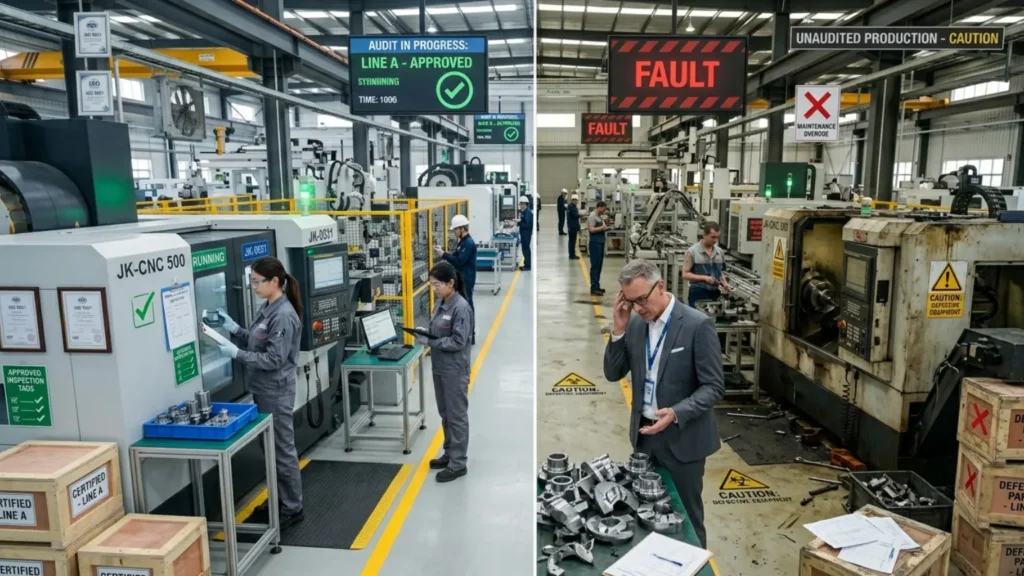
Confirming you’re dealing with an actual manufacturer, or a legitimate used equipment dealer rather than a trading company with no real knowledge of what it’s reselling, is the single best way to avoid bad sourcing. A proper audit covers the production or storage facility layout, the machinery actually installed there, staff on site, and for used equipment, verifiable records of the unit’s history.
Buyers of industrial equipment increasingly lean on supplier validation systems like Kingsler Machinery, and this matters most on large order capital purchases. Don’t skip it. A trading company might quote a lower price, but it simply can’t stand behind the equipment’s condition the way a verified source can.
Step 3: Request a Live Machine Demonstration and Performance Test
Any supplier worth working with will agree to a live demonstration, in person or over video, with real time performance testing included. That should cover output consistency, speed and accuracy, and performance measured against what you actually asked for. For used machinery in particular, ask to see it run under a realistic load rather than idle, since wear related issues tend to only show up once the machine is actually under stress. A supplier who won’t demonstrate the machine is telling you something. Buying used machinery without a performance test first is really just guesswork.
Step 4: Quality Check at Every Production or Refurbishment Stage
One inspection right before shipment isn’t enough on its own. New equipment needs quality control across three phases: raw material checks before production starts, checks during assembly itself, and a final check before it ships. For used equipment, that becomes a condition check at each stage of refurbishment, confirming that claimed repairs or part replacements actually happened the way they were described. An independent third party auditor, or an experienced sourcing partner, adds real accountability here, since suppliers tend to be noticeably more careful once they know someone’s watching. This staged approach remains the most effective way to cut the risk of ending up with defective or misrepresented equipment.
Sourcing professionals typically estimate inspection costs between $250 and $350 USD, which is a small expense set against the cost of receiving, and then returning, defective industrial equipment.
Step 5: Calculate the Total Cost, Not Just the Purchase Price
Machine cost and total cost are not the same number. When you’re comparing quotes, factor in packaging, international shipping, import duties, installation, commissioning, and for used machinery, the maintenance or part replacement costs that are probably coming soon. Hidden costs tend to live in the gap between the quoted price and what the machine actually costs once it lands. Buyers who focus purely on unit price often find out later that the cheaper machine wasn’t cheaper at all once everything else got added in.
Step 6: Confirm Production or Availability Schedule and Delivery Terms
Overbooked factories cause delays constantly, and for used equipment, unclear ownership or export status can cause the same kind of hold up. Before ordering, confirm the supplier’s real timeline, agree on a delivery window that’s actually realistic, and get milestone dates written into the contract. The International Trade Administration recommends that manufacturing and equipment contracts with Chinese suppliers include penalty clauses for late delivery. Track progress as you go. Don’t just wait for a shipping notification to show up.
Red Flags to Watch for When Sourcing Machinery in China
Catching warning signs early is really the fastest way to avoid a bad purchase. Watch for:
- A price sitting significantly below market with no clear reason why.
- No offer of a factory or facility visit, or an outright refusal.
- Missing technical documentation, certifications, or test reports.
- Answers to technical questions that come back delayed, vague, or evasive.
- For used equipment specifically, no usage history, hour meter data, or maintenance records available on request.
- Refusing to demonstrate the machine running before you buy.
Any single one of these might have an innocent explanation on its own. Seen together, they reliably point to a supplier who won’t deliver reliable equipment.
Factory vs. Trading Company: Why It Matters for Machinery Sourcing
A trading company might list hundreds of machine types, but it has no real control over how any of them were built, maintained, or refurbished. When quality problems surface, there’s no ability to fix anything at the source. A genuine manufacturer, or a specialized used equipment dealer, controls its own inventory, employs engineers or technicians who actually understand the equipment, and can speak honestly to a machine’s real condition and history.
Signs of a legitimate source: active production or maintenance facilities, technical staff based on site, specialization in one equipment category rather than an unrelated grab bag of goods, and a willingness to support a third party audit. Verification should always come with documentary evidence, a business license, facility photos or video, and ideally an independent inspection report.
The Role of a China Sourcing Agent in Machinery Purchases
A sourcing agent isn’t a luxury when you’re making a major machinery purchase; it’s often the entire difference between a smooth transaction and an expensive mistake. An experienced agent runs factory or facility audits, handles quality inspections at multiple stages, communicates directly with suppliers on your behalf, and keeps a presence on the ground that’s genuinely hard for a remote buyer to replicate, especially when verifying the real condition of used equipment.
Kingsler Machinery’s sourcing services cover supplier verification, quality control during production, and logistics support from start to finish, cutting sourcing risk substantially for international buyers.
According to the World Bank’s research on business environments, buyers who work with local verification partners consistently report fewer disputes and higher rates of equipment meeting agreed specifications.
Common Mistakes Buyers Make When Sourcing Machinery
Even experienced importers fall into habits that lead straight to poor quality equipment:
- Choosing the lowest price without weighing total cost or supplier reliability.
- Skipping the factory or facility audit to save time or money.
- Buying machinery without a demonstration or performance test first.
- Handing over vague or incomplete technical specifications.
- For used equipment, taking a seller’s claims about hours or condition at face value.
- Relying only on email instead of video calls or actual site visits.
The root cause running through all of these is the same: prioritizing cost over verified quality.
A Reliable Strategy for Sourcing Machinery in China
Buyers who consistently source machinery well, new or used, tend to follow a similar approach:
- Verify the supplier before any payment goes out.
- Insist on a live demonstration of the machine under realistic conditions before ordering.
- Run quality checks at multiple stages, not only right before shipment.
- Factor in every cost during evaluation, not just the unit price.
- For used equipment, confirm usage history and condition independently rather than trusting the seller’s description.
- Work with an experienced sourcing partner who actually has a presence on the ground.
This approach puts long term equipment performance ahead of short term savings, which is really the only sound way to think about purchasing capital equipment.
Recommended Read: China 140th Canton Fair Phase 1
Final Takeaway
Bad machinery purchases are the predictable result of a poor sourcing process, and the good news is that every major risk factor here can be managed. Supplier verification filters out unreliable factories and dealers. A live demonstration confirms real performance. Staged quality checks catch defects before they ship. A full due diligence checklist protects you specifically when buying used equipment, where hidden wear and undisclosed history carry the most risk. And a proper total cost analysis keeps financial surprises from showing up after delivery.
Buyers who follow a disciplined process, ideally alongside a trusted sourcing partner like Kingsler Machinery, consistently end up with equipment that performs as expected, arrives on schedule, and supports what their business actually needs.
Ready to source machinery the right way? Contact Kingsler Machinery to start with supplier verification, not price comparison.
Recommended Read:
How to Conduct a Remote Factory Audit in China | Factory Verification Services in China | U.S. Import Requirements | Guide on Importing Machinery from China to USA | Best China Mechanical Sourcing Agent | Guide to Buying Machinery from China | Quality Control Tips | Streamline Machinery Packing | Sourcing Heavy Machinery from China | China Mechanical Sourcing Agent
Our Products:
Foil Balloon Making Machine China | Secondhand Foil Balloon Making Machine | Confetti Making Machine | Incense Making Machine | Envelope Making Machine | Wooden Edge Banding Machine | Secondhand Machinery China | Automatic Table Cover Making Machine | Plastic Crushing Machine | 3 Layer ABA Film Blowing Machine | Blown Film Extrusion Machine | Rice Milling Machine | Macaroni Making Machine
FAQs
What is a due diligence checklist for buying used machinery from China?
At minimum, it should cover verified usage hours, full maintenance history, confirmation of original versus refurbished parts, wear inspection specific to the machine type, spare parts availability, a live demonstration under load, written warranty terms, and valid export documentation for the specific unit.
How do I avoid bad machine sourcing in China?
Define your technical requirements clearly, verify the supplier through a factory or facility audit, request a live demonstration of the machine, and inspect quality at multiple stages before shipment rather than relying on one single check right before it ships.
What should I check before buying used mining equipment or CNC machines from China?
Check the hour meter reading against maintenance logs, inspect the wear specific components (hydraulics and undercarriage for mining equipment, spindle and alignment for CNC machines), verify spare parts availability, and request a demonstration under realistic load conditions.
How do I choose a wholesale agent or manufacturer for used machinery in China?
Prioritize suppliers who allow facility audits, provide documented maintenance and usage history, offer a live performance demonstration, and can produce business licensing and certification documents. Steer clear of suppliers who resist any of these requests.
What are the risks of buying used machinery from China wholesale?
The main risks are undisclosed wear or damage, inflated or falsified usage hours, unverified refurbishment work, limited or no warranty coverage, and difficulty sourcing spare parts for older models. Independent verification at each stage significantly reduces all of these.
Can China be trusted for sourcing machinery, new or used?
Yes, with the right process in place. Sourcing risk from China is manageable when buyers follow a systematic approach: supplier verification, performance testing, and staged quality inspection, all especially important when buying used equipment where condition claims genuinely need independent confirmation.
Do I need a sourcing agent for machinery purchases?
For most industrial machinery purchases, especially used equipment, a locally based sourcing agent significantly reduces risk. They handle facility audits, quality inspections, and communication, and can verify a used machine’s real condition in ways a remote buyer typically can’t manage on their own.