


Blogs

Sourcing heavy machinery from China is about a lot more than just lining up prices and picking the lowest one. Industrial equipment comes with tight engineering specs, strict rules, real machinery safety standards, and proper export documentation. There is also the whole side of heavy machinery sourcing that covers inspections, testing, and long-term planning.
If the process is handled poorly, you could end up with machine breakdowns, customs problems, or costly production delays. For procurement teams and plant managers, heavy machinery sourcing needs a clear, controlled, and technical approach. The guide below explains the key steps you should follow.
Define Technical Specifications Before Engaging Suppliers
The sourcing process has to start with clear engineering details. If the technical specs are vague or incomplete, suppliers can read them in different ways. And when that happens, you end up with performance issues or expensive redesign work later on. A solid specification document keeps everyone on the same page and makes sure what you expect actually matches what the factory can build.
Key elements to define include:
- Required production capacity units per hour, tons per day, or operating cycles
- Mechanical tolerances and expected efficiency levels
- Motor specifications, PLC systems, and control panel standards
- Voltage, frequency, and electrical compatibility with the destination country
- Steel grades, structural materials, and surface treatment processes
- Required safety and regulatory certifications
Clear documentation at this stage prevents miscommunication and technical disputes later.
Verify the Manufacturer’s Real Production Capability
Not all suppliers operate their own manufacturing facilities. For heavy machinery, understanding who controls production is essential because subcontracting can reduce quality oversight and increase risk.
Supplier verification should include:
- Review of the business license to confirm the manufacturing scope
- Workshop size, fabrication area, and production layout
- CNC machining capability and welding certifications
- In-house assembly lines and testing zones
- Engineering team strength and customization capacity
A legitimate manufacturer should demonstrate structured production systems and technical depth.
Conduct Supplier Capability and Risk Evaluation
Beyond physical infrastructure, buyers must assess operational stability and risk exposure. Heavy machinery projects involve long production cycles and significant financial investment, making supplier reliability critical.
Capability evaluation should cover:
- Workforce size and production scheduling systems
- Years of export experience and international markets served
- Quality management procedures and inspection systems
- Dependence on subcontractors for key components
- Spare parts inventory management
A structured factory audit significantly reduces procurement risk.
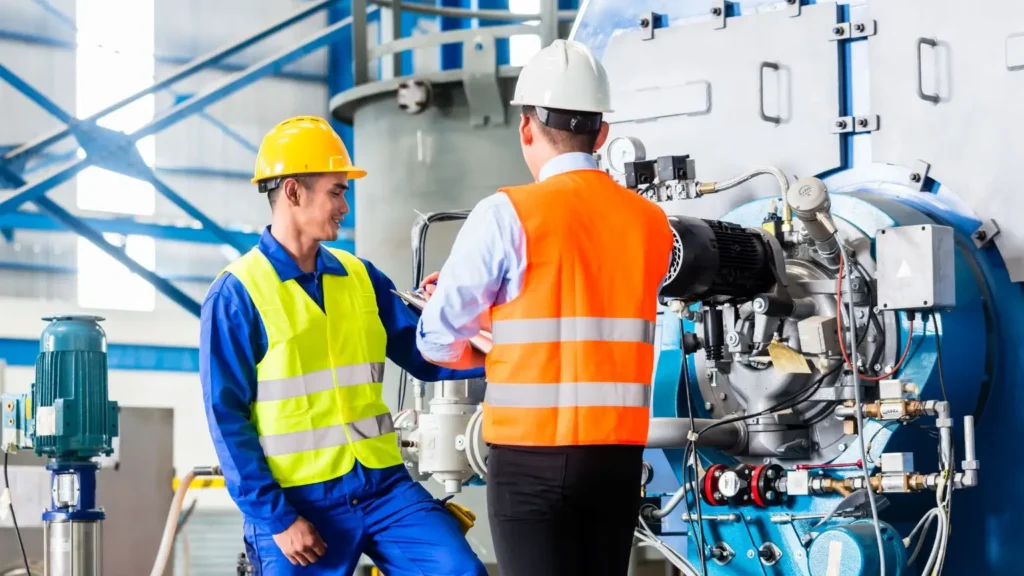
Implement Structured Quality Control During Production
Heavy machinery cannot rely on sample-based inspection methods. Quality control must be integrated throughout the production lifecycle to ensure mechanical accuracy and operational reliability.
A structured quality control plan should include:
- Approval of technical drawings and Bill of Materials before production
- Monitoring of welding standards and structural alignment during fabrication
- Verification of machining precision and component installation
- Factory Acceptance Testing (FAT), including load testing and PLC validation
- Optional third-party inspection for high-value projects
Continuous oversight prevents hidden defects that may only appear after installation.
Ensure Certifications and Legal Compliance
Heavy machinery sourcing does not end with technical performance. Equipment must comply with both Chinese manufacturing standards and the legal, safety, and electrical regulations of the destination country. Compliance should be treated as a technical control point, not an administrative formality.
Before production begins, buyers must clearly define which certifications and regulatory approvals are required in their local market. Different regions have different safety frameworks, and machinery that does not meet those standards may face customs delays, mandatory modifications, or operational restrictions after arrival.
Key compliance considerations include:
- Machinery safety standards required in the destination country
- Electrical system compliance for local voltage and inspection rules
- CE marking or equivalent conformity requirements for regulated markets
- Manufacturer quality system certification, such as ISO 9001
- Proper emergency stops, safety guards, grounding systems, and operator protection features
- Noise, emission, or environmental compliance, if applicable
Export documentation must also align with regulatory requirements. Accurate HS code classification, certificates of origin, commercial invoices, packing lists, and compliance declarations must match the machine’s actual configuration.
All compliance verification should be completed before shipment. Resolving certification or regulatory issues after the machinery arrives is significantly more expensive and time-consuming.
Kingsler Machinery sourcing makes sure all the heavy machinery production meets these certifications and legal compliance.
Structure Commercial Terms and Contracts Carefully
Clear contractual agreements must support technical alignment. In heavy machinery sourcing, commercial clarity protects both financial and operational interests.
Commercial structuring should include:
- Detailed quotation breakdown covering spare parts and testing services
- Clear production lead time confirmation
- Defined payment terms (deposit, milestones, or Letter of Credit)
- Warranty duration and coverage scope
- Penalty clauses for delivery delay or non-conformance
Proper contract drafting reduces disputes and protects project timelines.
Plan Logistics, Installation, and After-Sales Support
Heavy machinery logistics involve specialized packaging, weight calculations, and transport coordination. Inadequate planning can damage equipment or cause customs complications.
Logistics and post-delivery planning should cover:
- Reinforced packaging with anti-rust treatment
- Container load planning or oversized cargo permits
- Accurate customs documentation and freight scheduling
- Site preparation and foundation requirements
- Commissioning support and technical guidance
- Spare parts planning for long-term operation
Procurement planning must extend beyond shipment to ensure successful machine integration.
Final Thoughts
Sourcing heavy machinery from China is an engineering-driven process requiring technical clarity, supplier verification, compliance control, and structured project management. Treating the purchase as a transactional price negotiation increases operational risk.
When managed correctly, heavy machinery sourcing can provide strong cost efficiency and reliable long-term performance.
At Kingsler Machinery, we prioritize structured supplier evaluation, compliance verification, and controlled sourcing processes to support industrial buyers.
Contact Kingsler Machinery for the best heavy machinery sourcing in China for your business.
Recommended Read:
How to Conduct a Remote Factory Audit in China
Factory Verification Services in China
Guide on Importing Machinery from China to USA
Best China Mechanical Sourcing Agent
FAQs
1. Is sourcing heavy machinery from China safe?
Yes, if you verify the supplier, confirm technical specifications, conduct inspections, and check compliance before shipment. Risk mainly comes from skipping due diligence.
2. How long does sourcing heavy machinery from China take?
Production and sourcing typically take 30 – 120 days, depending on machine complexity, customization level, testing requirements, and shipping method.
3. What payment terms are common when sourcing heavy machinery from China?
Most suppliers require a deposit before production and a balance before shipment. For high-value equipment, milestone payments or Letters of Credit are common.
4. Can heavy machinery from China be customized?
Yes. Many manufacturers offer customization in capacity, automation level, materials, and electrical configuration, but detailed technical specifications are required.
5. What are the main risks in sourcing heavy machinery from China?
Common risks include overstated capacity, poor welding or material quality, weak quality control, and incomplete compliance documentation.
6. Is a factory visit necessary before placing an order?
It is recommended for high-value purchases. If travel is not possible, use third-party audits or live inspections to verify production capability.