


Blogs
A remote factory audit in China lets you check a factory without visiting it in person. Buyers use video calls, shared documents, photos, and online meetings to see how the factory actually operates, from the production floor to its quality control records. Not every buyer has the time or budget to fly out before placing an order, especially for smaller or first-time purchases, so a remote audit fills that gap and gives clear evidence of production capacity, staffing, quality control, and basic compliance, all without the cost or delay of an on-site visit.
A remote audit is not a casual video call, though. It works only when it follows a clear process: setting goals, collecting documents, running a live walkthrough, and knowing what red flags to watch for. This guide walks through each of those steps so you can run a remote factory audit that actually gives you reliable answers.
What Is a Remote Factory Audit in China?
A remote factory audit in China is an audit carried out from another country, without the buyer ever stepping onto the factory floor. The buyer or auditor connects with the factory using:
- Live video calls to walk through the production floor in real time
- Shared documents, including business licenses, quality manuals, and production records
- Photos and recorded videos of machines, materials, and finished goods
- Online interviews with staff to confirm what the documents and footage show
The goal is the same as an on-site audit: to confirm the factory is real, capable, and suitable for production. This process is also called a remote supplier audit in China or a virtual factory audit in China.
Recommended Read: How to Verify a Factory in China Before Placing an Order
What Is Checked in a Remote Factory Audit
| Area Checked | How It Is Verified Remotely |
| Factory existence | Live video walkthrough |
| Business legality | License and registration documents |
| Production capacity | Machine view and staff interviews |
| Quality control | Records, tools, live inspection |
| Basic compliance | Document review and interviews |
Work with a trusted sourcing agent like Kingsler Machinery for the best machinery sourcing.
When a Remote Factory Audit Makes Sense
A remote factory audit works best in these situations:
- You are checking a supplier for the first time and have not built up trust yet
- You cannot travel to China due to cost, time, or distance
- You want a fast initial screening before deciding if a supplier is worth pursuing further
- You want to reduce audit costs, especially for smaller trial orders
- You are monitoring an existing supplier between larger on-site checks
A remote audit works well for these early or lower-risk situations, but it has limits. For large orders or strict compliance needs, it should be treated as a first step and followed by an on-site audit before production begins.
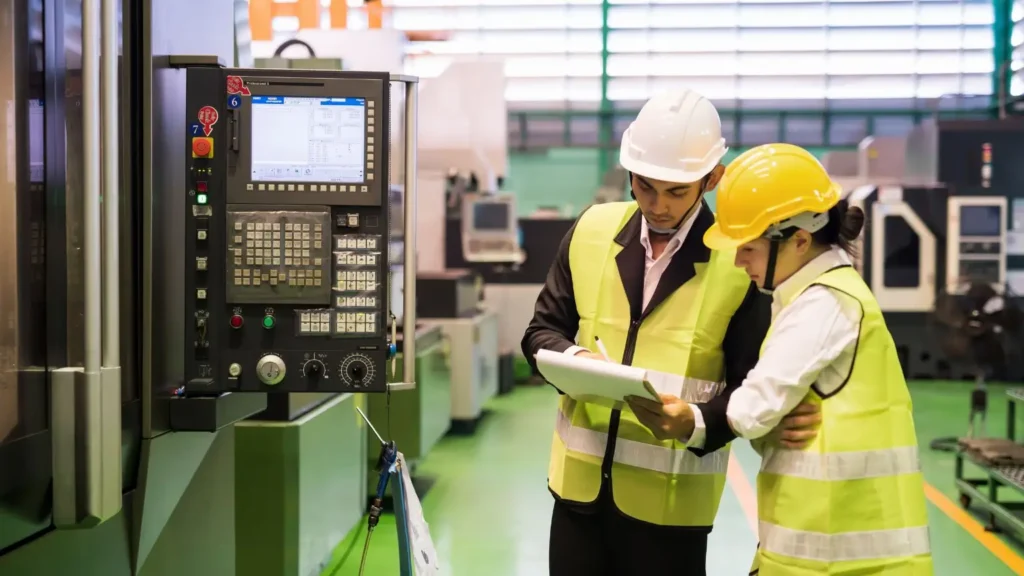
How to Conduct a Remote Factory Audit in China: Step by Step
Once you know what to check, the next part is running the audit itself. These nine steps cover the full process, from setting goals to reviewing the results.
Step 1: Set Clear Audit Goals
Before starting the remote audit, decide what you want to check. Common goals include:
- Confirming the factory exists
- Checking production capacity
- Reviewing quality control systems
- Understanding basic compliance
Clear goals help keep the audit focused, so you are not just collecting information for the sake of it.
Step 2: Collect Documents Before the Audit
Ask the factory to share key documents in advance. These usually include:
- Business license
- Company registration details
- Quality procedures or manuals
- Production process charts
- Certificates, if available
Reviewing these early saves time during the live call and gives you something to check the factory’s answers against.
Recommended Read: How to Verify a Factory in China Before Placing an Order
Step 3: Plan a Live Video Factory Walkthrough
A live video walkthrough is the most important part of a remote factory inspection in China. During the call, ask the factory to show:
- Factory entrance and signage
- Production areas and lines
- Machines and equipment
- Raw material storage
- Finished goods area
- Quality inspection points
The video must be live. Pre-recorded footage should not be accepted, since it tells you nothing about what the factory looks like today.
Step 4: Interview Key Factory Staff
Speak directly with factory staff such as
- Factory manager
- Production supervisor
- Quality control staff
Ask about:
- Daily and monthly production capacity
- Quality checks and inspections
- Worker training
- Common production problems
Their answers should match what you see on camera and what the documents show. A mismatch here is often more telling than any single document.
Step 5: Review Production Capacity and Workflow
Ask the factory to explain:
- Number of workers on each line
- Output per day or per month
- How materials move from start to finish
Watch closely during the call to see if the workflow looks organized and realistic for the output numbers being claimed.
Step 6: Check Quality Control Practices
Quality control is a key part of any remote factory audit process. During the audit, check:
- Incoming material inspections
- In-process quality checks
- Final inspections
- Handling of defective products
Ask to see inspection records and testing tools during the live call, not just descriptions of them.
Recommended Read: Full Inspection vs Spot Check: Quality Inspection Guide
Step 7: Watch for Warning Signs
Pay attention to red flags such as:
- Refusing to show certain areas
- Poor or delayed video connection
- Answers that do not match documents
- Unclear factory ownership
These signs may point to a higher risk and the need for an on-site audit before moving forward.
Step 8: Record and Save All Evidence
A proper remote audit should include:
- Screenshots from video calls
- Photos shared by the factory
- Notes from interviews
- Copies of documents
Good records make it easier to compare suppliers side by side and support decisions later, especially if a dispute comes up.
Step 9: Review Results and Decide Next Steps
After the remote factory audit in China, review:
- Factory strengths
- Weak points and risks
- Gaps between claims and reality
Based on this, you can:
- Approve the supplier
- Request improvements
- Schedule an on-site audit
- Stop working with the factory
What to Do After a Remote Factory Audit
| Audit Outcome | Recommended Action |
| Low risk | Approve supplier |
| Minor issues | Request improvements |
| Unclear capacity | Schedule on-site audit |
| High risk | Stop working with factory |
Contact Kingsler Machinery for the best value heavy machinery sourcing.
What a Remote Factory Audit Cannot Show You
Remote audits have limits. They may not fully reveal:
- Hidden subcontracting
- Real working conditions
- Deep compliance issues
Because of this, a remote factory audit should be treated as a first step, not a replacement for an on-site visit, especially for large or long-term orders.
Recommended Read: Factory Verification Services in China: A Guide for US Buyers
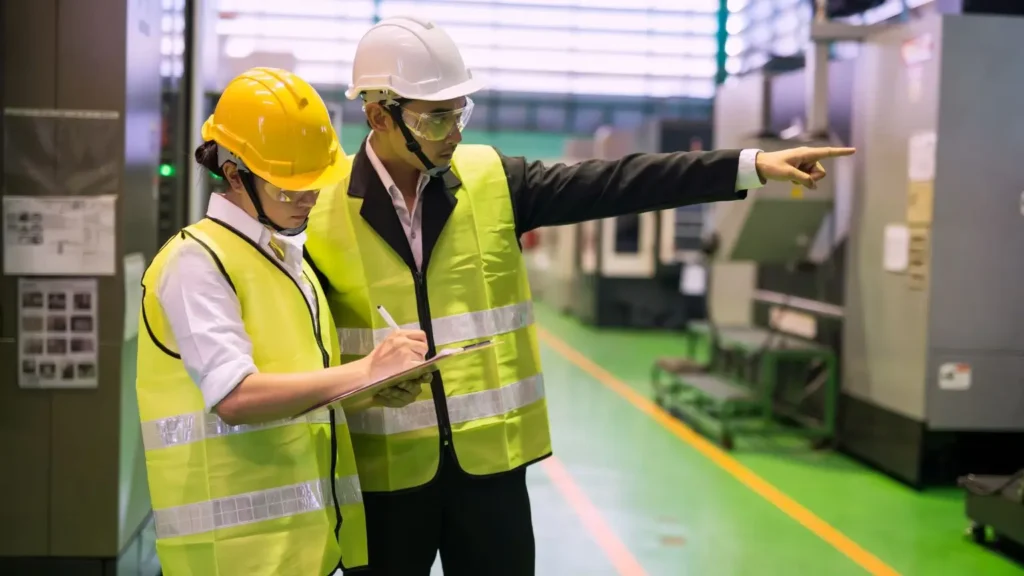
Remote Factory Audit vs On-Site Audit: Which One Do You Need
Before deciding whether a remote check is enough for your order, it helps to see how the two approaches compare directly.
| Area | Remote Factory Audit | On-Site Audit |
| Travel needed | No | Yes |
| Cost | Lower | Higher |
| Speed | Faster | Slower |
| Depth of checks | Medium | High |
| Best use | Early checks | Large or long-term orders |
Final Thoughts
A remote factory audit in China can work well when it is planned and structured. Live video calls, clear documents, and direct questions help reduce sourcing risks, especially when you are dealing with a new supplier for the first time. Remote audits save time and cost for overseas buyers, and they are often enough to confirm whether a factory is worth pursuing further.
That said, a remote audit still has limits. For long-term or high-value orders, it should be followed by an on-site audit once the supplier clears the initial check. Using both together gives you the fastest early screening and the deepest confidence before production begins.
The key is simple: Plan carefully, ask clearly, and verify what you see.
Plan your next heavy machinery sourcing from China with Kingsler Machinery. Contact us today for a quote.
Frequently Asked Questions (FAQs)
What is a remote factory audit in China?
A remote factory audit in China is a way to check a factory without visiting it in person. Buyers use live video calls, documents, photos, and online interviews to see how the factory operates.
How reliable is a remote factory audit in China?
A remote factory audit can be reliable if it is well planned and done step by step. Live video walkthroughs, real documents, and clear questions help reduce risks, but they cannot fully replace an on-site audit.
When should overseas buyers use a remote factory audit?
Overseas buyers should use a remote factory audit when they cannot travel to China, want a quick supplier check, are placing a first order, or want to lower audit costs.
What is the difference between a remote factory audit and an on-site audit?
A remote factory audit is done online using video and documents, while an on-site audit is done by visiting the factory in person. A remote factory audit vs on-site audit comparison shows that remote audits are good for early checks, while on-site audits are better for large or long-term orders.
What documents are needed for a remote factory audit?
A remote factory audit requires basic documents to confirm that the factory is real and operating legally. These usually include the business license, company registration details, and quality procedures or manuals. Buyers may also ask for production process charts and any certificates the factory holds. Reviewing these documents helps check factory claims and saves time during the live video audit. Clear documents also make the audit more organized and reliable.
What risks cannot be fully checked in a remote factory audit?
A remote factory audit may not fully show hidden subcontracting or off-site production. Real working conditions and daily factory practices can also be hard to judge through video calls. Some deeper compliance issues related to labor, safety, or environment may not be visible remotely. These risks are easier to identify during an on-site audit. This is why remote audits are best used as an early check.
Is a remote factory audit enough for long-term sourcing in China?
A remote factory audit for overseas buyers is a good first step for checking new suppliers or small orders. It helps reduce early risks and supports better decisions. However, for long-term or high-value sourcing, a remote audit alone is usually not enough. Buyers should plan an on-site audit later to confirm quality, capacity, and compliance in detail. Using both audits together is the safest approach.